अपनी चावल मिलिंग प्रक्रिया की दक्षता में सुधार करना उच्च उपज, बेहतर गुणवत्ता वाला चावल, और कम लागत प्राप्त करने की कुंजी है। उन्नत मिलिंग मशीनों का उपयोग करके और मिलिंग प्रक्रिया के प्रत्येक चरण का अनुकूलन करके, चावल मिलर्स प्रदर्शन और उत्पादन को महत्वपूर्ण रूप से बढ़ा सकते हैं।
सही एकीकृत मिलिंग लाइन चुनें
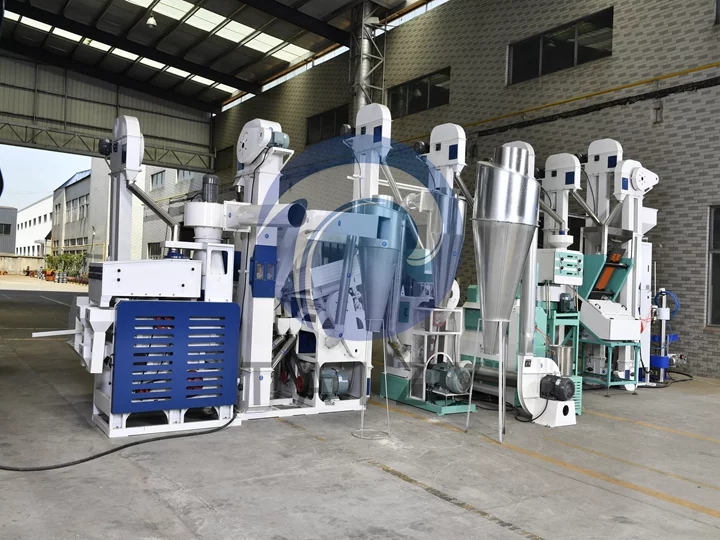
एक पूर्ण और सही ढंग से कॉन्फ़िगर की गई चावल मिलिंग लाइन का उपयोग करना दक्षता की नींव रखता है। एकीकृत चावल मिलिंग यूनिट जैसे 15TPD, 20‑टन, 25‑टन, 30‑टन, और यहां तक कि 40‑टन संयंत्र कई प्रसंस्करण चरणों को एक सतत कार्यप्रवाह में जोड़ते हैं। ये मशीनें सफाई, डेस्टरनिंग, हुल्लिंग, मिलिंग, और ग्रेडिंग को एक लाइन में शामिल करती हैं ताकि हैंडलिंग समय और श्रम को कम किया जा सके।
उदाहरण के लिए, स्वचालित संयुक्त मिलिंग संयंत्र मैनुअल हस्तक्षेप को कम करते हैं और स्थिर प्रक्रिया सुनिश्चित करते हैं, ताकि आपका मिल सुचारू रूप से चलता रहे और न्यूनतम डाउनटाइम हो। अपने उत्पादन आवश्यकताओं के अनुसार सही क्षमता का चयन करना बाधाओं को रोकता है और ऊर्जा उपयोग का अनुकूलन करता है।
सफाई और पत्थर निकालने को प्राथमिकता दें
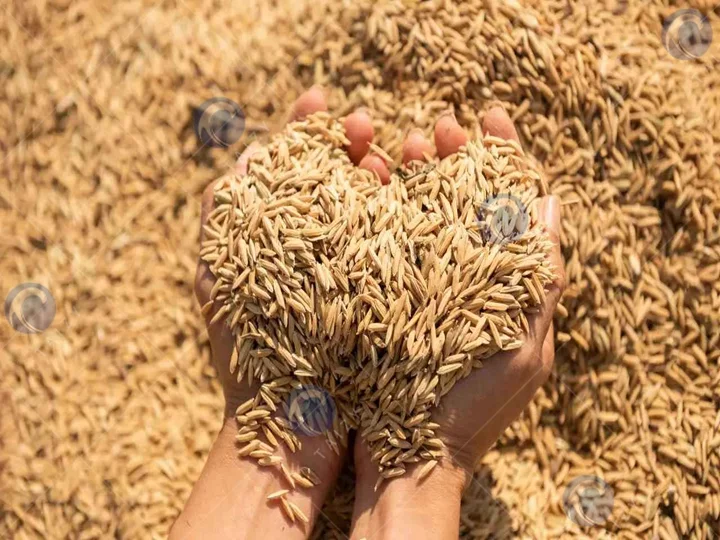
मिलिंग शुरू करने से पहले, धान को अच्छी तरह से साफ करना और पत्थर और अन्य संदूषकों को हटाना आवश्यक है। कई चावल मिलिंग लाइनों में सफाई और पत्थर निकालने वाली मशीनें शामिल हैं, जो कंपन स्क्रीन और सक्शन सिस्टम का उपयोग करके अशुद्धियों को प्रभावी ढंग से हटा देती हैं। साफ चावल न केवल सुरक्षा सुनिश्चित करता है बल्कि डाउनस्ट्रीम मशीनरी को नुकसान से भी बचाता है, मशीन की उम्र बढ़ाता है और टूटने की घटनाओं को कम करता है।
उच्च‑प्रदर्शन सफाई उपकरणों में निवेश सुनिश्चित करता है कि केवल गुणवत्ता वाला चावल ही हुल्लिंग और मिलिंग चरणों में प्रवेश करे, जिससे समग्र मिलिंग दक्षता में सुधार होता है और टूटे हुए अनाज की दर कम होती है।
छिलका उतारने और हुल्लिंग प्रक्रिया का अनुकूलन करें
प्रभावी छिलका उतारना (खोल खोलना) सीधे उपज को प्रभावित करता है और अपशिष्ट को कम करता है। आधुनिक चावल छिलाई मशीनें जो पूर्ण मिलिंग संयंत्रों में एकीकृत हैं, कम टूटने और उच्च थ्रूपुट के साथ छिलके हटाने के लिए डिज़ाइन की गई हैं। यह कदम चावल को स्मूद मिलिंग और कम पुनःप्रसंस्करण के लिए तैयार करता है, जिससे बेहतर समग्र रिकवरी दरें मिलती हैं।
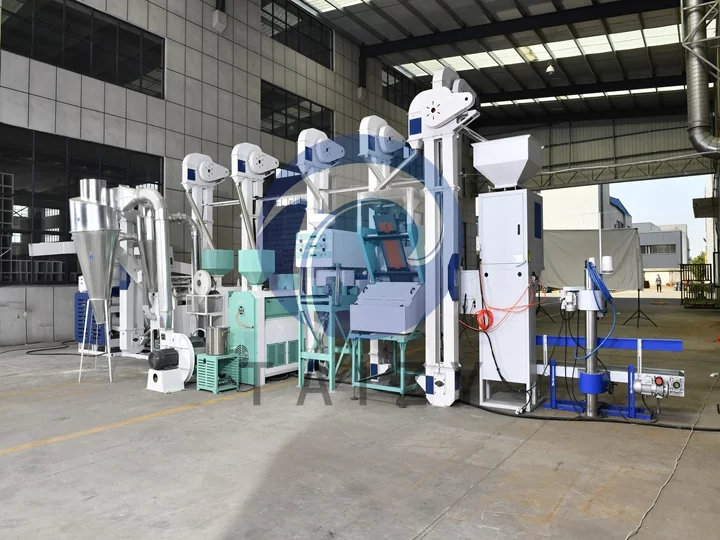
हुल्लिंग घटकों का सही कैलिब्रेशन और नियमित रखरखाव समय के साथ दक्षता बनाए रखने में मदद करता है और मिलिंग चरण के दौरान चावल के प्रवाह को स्थिर करता है।
उन्नत मिलिंग और वर्गीकरण तकनीक का उपयोग करें
एक बार हुल्ला जाने के बाद, चावल को वांछित गुणवत्ता तक मिलाना और पॉलिश करना चाहिए। कई मिलिंग लाइनों में गुरुत्व विभाजन, उन्नत सैंड रोलर व्हाइटनिंग, और ग्रेडिंग सिव्स का उपयोग किया जाता है ताकि समान गुणवत्ता सुनिश्चित की जा सके। ये विशेषताएँ टूटे हुए चावल को कम करने और अंतिम उत्पाद की स्थिरता में सुधार करने में मदद करती हैं।
इसके अतिरिक्त, वैकल्पिक रंग छंटाई मशीनों का एकीकरण गुणवत्ता को और बढ़ाता है, क्योंकि यह रंगहीन अनाज और अशुद्धियों को हटा देता है, जिससे बाजार मूल्य में वृद्धि होती है।
उपकरणों की नियमित देखभाल करें
सभी मिलिंग घटकों—डेस्टरनर से लेकर हुल्लर मशीनों और ग्रेडरों—की नियमित देखभाल स्थिर संचालन और उच्चतम प्रदर्शन सुनिश्चित करती है। नियमित निरीक्षण से पहचाने गए घिसे हुए भागों को जल्दी बदला जा सकता है और अप्रत्याशित मशीन विफलताओं से बचा जा सकता है, जो उत्पादन को धीमा कर सकते हैं।
सतत प्रक्रिया अनुकूलन
प्रसंस्करण मानकों को चावल की किस्मों और मौसमी परिवर्तनों के आधार पर मॉनिटर करें और समायोजित करें। उन्नत संयुक्त चावल मिलिंग संयंत्र संचालन में लचीलापन प्रदान करते हैं, इसलिए अपने कच्चे माल के अनुसार सेटिंग्स को अनुकूलित करने से बेहतर मिलिंग दरें और ऊर्जा दक्षता मिलती है।
अच्छी‑डिज़ाइन की एकीकृत चावल मिलिंग मशीनें चुनकर और प्रत्येक प्रक्रिया चरण—सफाई से ग्रेडिंग—को सुगम बनाकर, आप मिलिंग दक्षता को महत्वपूर्ण रूप से बढ़ा सकते हैं, लागत कम कर सकते हैं, और उच्च गुणवत्ता वाला चावल उत्पादन कर सकते हैं।