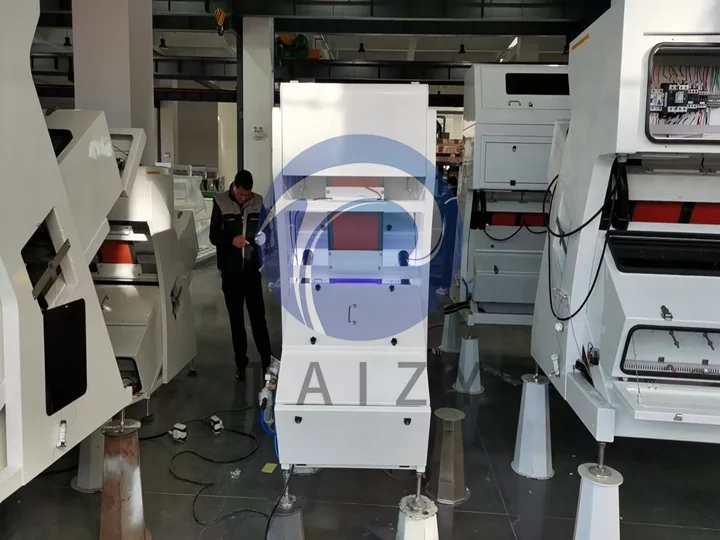
UM rice color sorter is an important machine in a complete rice milling production line. It uses advanced optical technology to identify and remove discolored, damaged, immature, or foreign grains, helping rice mills improve product quality and increase market competitiveness.
What Is a Rice Color Sorter?
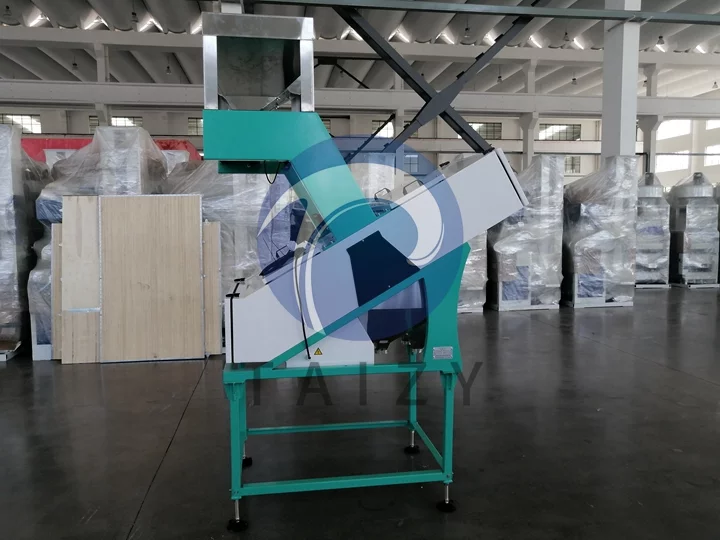
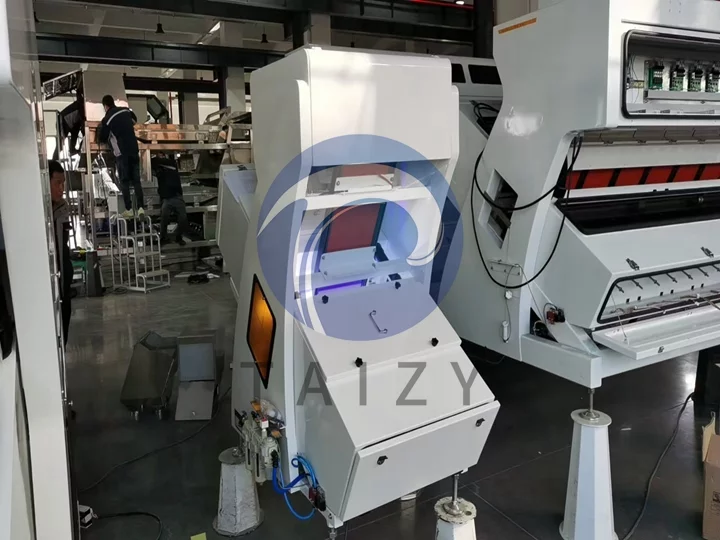
A rice color sorter is a machine that separates rice grains according to their color differences and surface characteristics. During the sorting process, rice grains pass through a camera detection area, where the system identifies unwanted grains and uses air jets to remove them automatically.
It is commonly used after rice milling and polishing to improve the appearance and quality of finished rice. The machine is suitable for commercial rice mills, food processing factories, and large-scale rice production plants.
How Does a Rice Color Sorter Work?
The working process of a rice color sorter mainly includes three steps:
Feeding and grain distribution
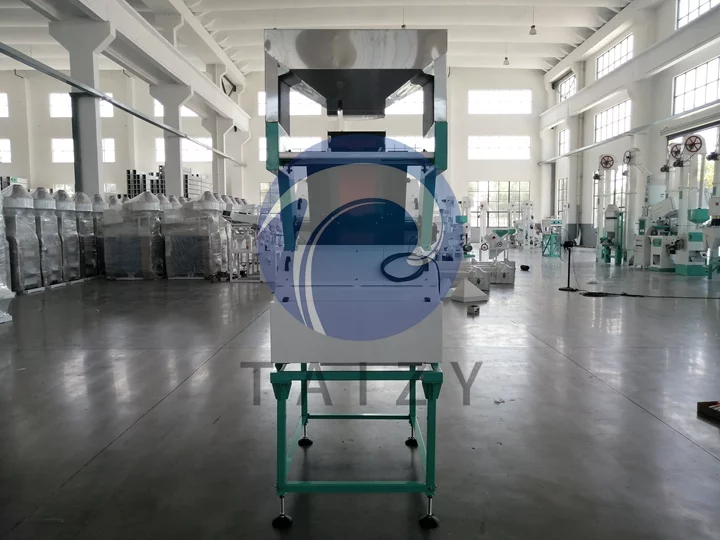
Milled rice enters the hopper and flows evenly through the sorting channel. A stable feeding system ensures each grain can be accurately detected.
Optical detection
High-resolution cameras scan the rice grains and compare their color, shape, and quality with preset sorting standards. The system can recognize yellow grains, black grains, chalky rice, damaged rice, and other impurities.
Automatic rejection
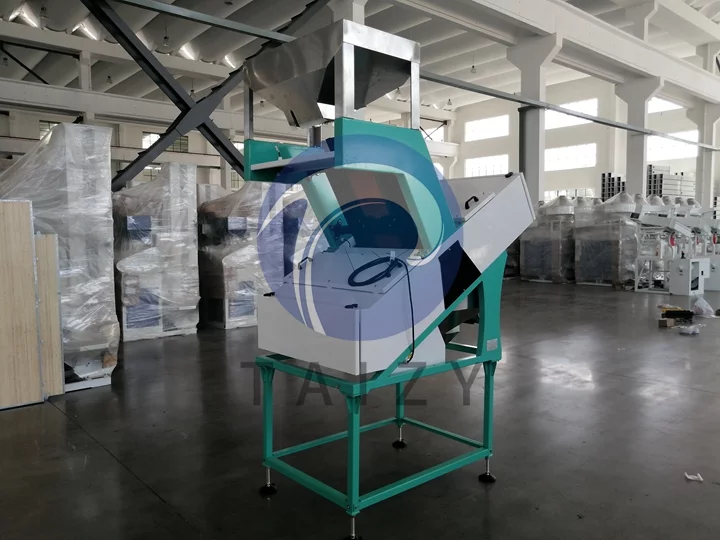
When defective grains are detected, the air ejection system quickly removes them from the rice flow, while high-quality rice continues to the next processing stage.
How Does a Rice Color Sorter Improve Rice Quality?
Removes Defective Grains and Impurities
During rice processing, some grains may become discolored due to improper storage, insect damage, or natural growth conditions. A rice color sorter can effectively remove these unwanted grains, ensuring cleaner and more attractive finished rice.
Improves Rice Appearance
Consumers often judge rice quality by its appearance. By removing yellow, black, and uneven grains, a color sorter helps produce bright, uniform rice with better visual appeal, which can improve the selling value of the final product.
Reduces Manual Sorting Labor
Traditional manual sorting requires a large workforce and is difficult to maintain consistent quality. The automatic sorting process reduces labor requirements while improving sorting speed and accuracy, making it suitable for large rice milling production lines.
Ensures Consistent Product Quality
For rice exporters and commercial rice brands, maintaining stable quality is essential. A rice color sorter helps ensure each batch meets the same quality standards, making it easier for rice mills to supply premium products to different markets.
Where Is a Rice Color Sorter Used in a Rice Milling Plant?
A rice color sorter is usually installed after processes such as husking, milling, and polishing. In a complete rice milling production line, it works together with other machines, including:
- Limpeza de palha
- Máquina destruidora
- Descascador de arroz
- Máquina de moagem de arroz
- Polidor de arroz
- Classificador de arroz
- Máquina de embalagem
Together, these machines complete the process from raw paddy cleaning to finished rice packaging.
Why Should Rice Mills Invest in a Color Sorting Machine?
For small and large rice processing businesses, improving rice quality can directly influence market competitiveness. A rice color sorter provides faster processing, higher accuracy, and better quality control compared with traditional sorting methods.
Especially for commercial rice mills, exporters, and high-capacity rice milling plants, installing a color sorter can help produce premium-grade rice, reduce product rejection rates, and increase customer satisfaction.
Conclusão
UM rice color sorter plays an important role in improving milled rice quality by removing defective grains, enhancing appearance, and maintaining consistent product standards. As part of a complete linha de produção de moagem de arroz, it helps rice processing businesses achieve more efficient production and provide higher-quality rice products for the market.