During rice milling, bran dust is one of the most common challenges affecting workshop cleanliness, production efficiency, and working conditions. Excessive dust can accumulate around milling machines, conveyors, elevators, and storage areas, making equipment maintenance more difficult and increasing the risk of respiratory irritation and dust-related hazards.
For every โรงงานโรงสีข้าว, controlling bran dust requires more than regular cleaning. Proper dust collection systems, optimized equipment connections, routine maintenance, and effective sanitation procedures all contribute to a cleaner and safer production environment.
Why Does Bran Dust Accumulate in a Rice Mill Plant?
Bran dust is mainly generated during rice milling, polishing, screening, and material transportation. When rice passes through milling equipment, the outer bran layer is removed and produces fine particles.
Several factors can increase dust accumulation:
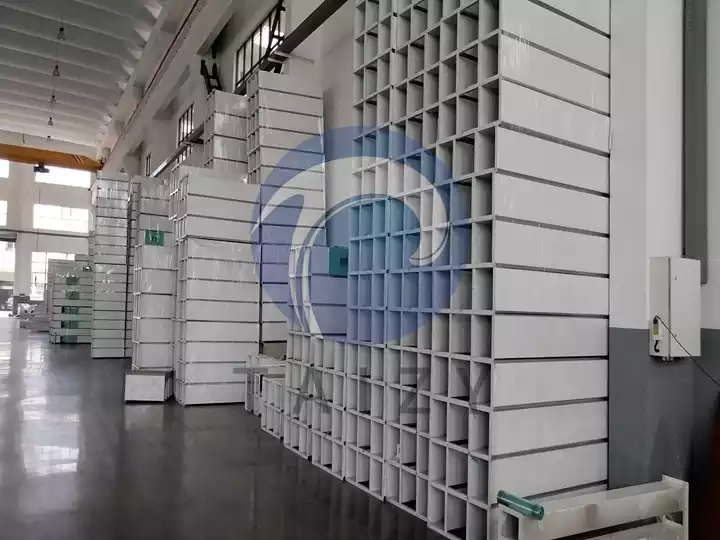
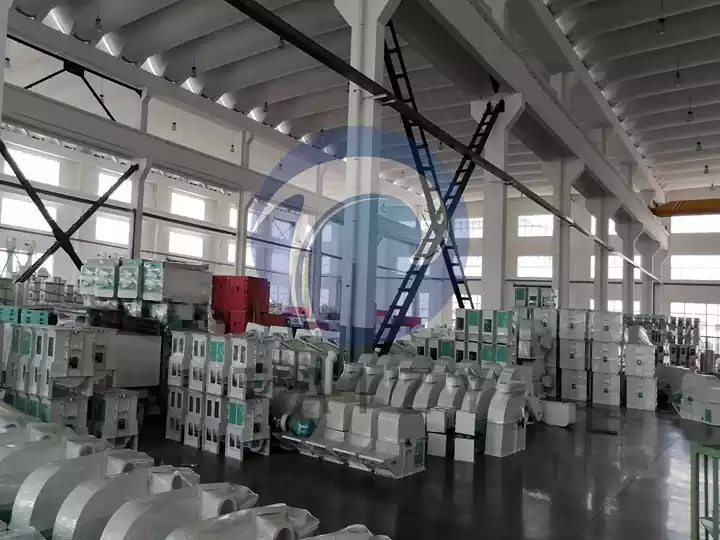
- Rice milling and polishing: Friction between rice grains and machine components generates bran particles.
- Poorly sealed equipment: Gaps around machine outlets, pipelines, and conveyor connections allow dust to escape.
- Open material transfer: Falling rice bran and broken rice can release fine particles into the air.
- Insufficient ventilation: Poor airflow allows airborne dust to remain suspended and settle on floors and equipment.
- Inadequate cleaning: Bran dust accumulates in corners, under machines, and on overhead structures when cleaning is irregular.
Install an Efficient Dust Collection System
A dust collection system is one of the most effective ways to control bran dust in a rice mill plant.
Use Cyclone Dust Collectors
Cyclone separators use centrifugal force to separate dust particles from airflow. They are commonly installed at milling machine outlets, bran discharge points, and material transfer sections.
The collected bran can then be discharged into designated containers or conveyed to storage equipment.
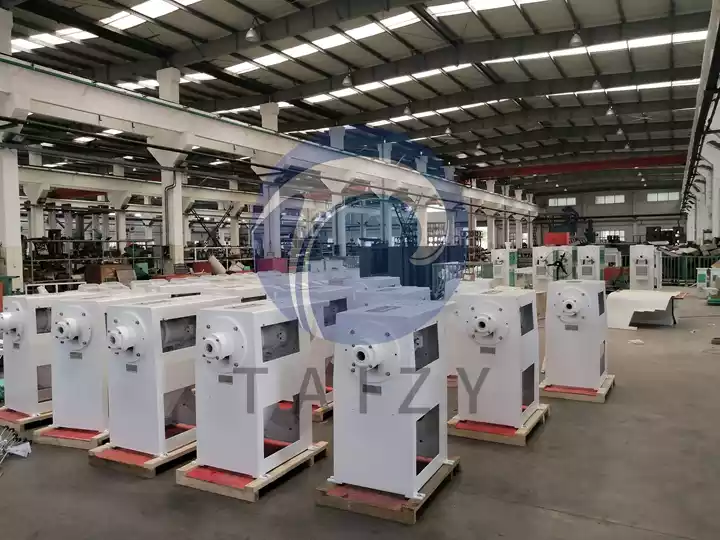
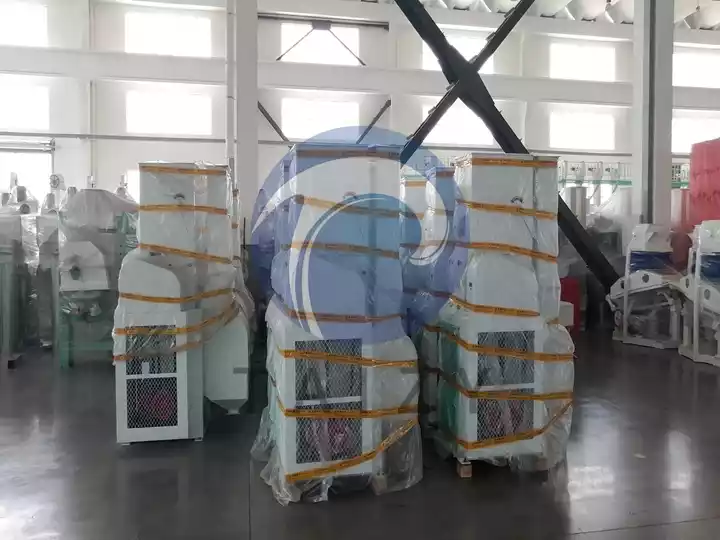
Add Bag Filters for Fine Dust
For finer dust particles that may pass through cyclone separators, bag filters provide additional filtration.
The filter captures fine bran dust while allowing cleaner air to pass through. Regular inspection and cleaning of filter bags help maintain stable airflow and collection efficiency.
Connect Dust Collection Points to Key Machines
Dust collection hoods and pipelines should be installed near major dust-generating areas, including:
- Rice whitening machines
- Rice polishing machines
- Rice separators and screens
- Bucket elevators
- Bran discharge outlets
A properly designed dust collection network can reduce airborne dust and prevent excessive accumulation throughout the workshop.
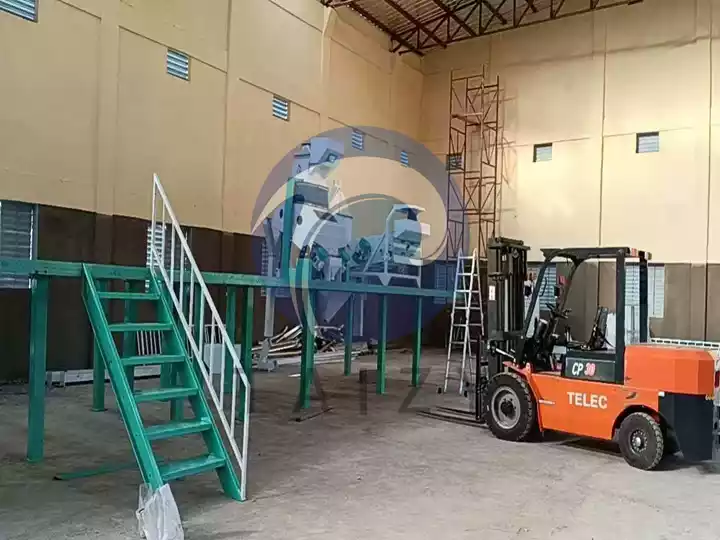
Improve Equipment Sealing and Material Transfer
Dust leakage often occurs at machine connections and material transfer points.
To reduce bran dust, operators should pay attention to the following areas:
- Seal machine connections: Check the joints between milling machines, pipelines, and discharge outlets. Replace damaged gaskets and sealing materials when necessary.
- Use enclosed conveyors: Enclosed screw conveyors and bucket elevators help minimize direct contact between bran and workshop air.
- Reduce material falling height: Excessive falling distance during rice bran transfer can increase dust generation. Adjusting discharge outlets and transfer equipment can help reduce particle dispersion.
- Maintain proper airflow: Ensure that extraction pipelines are correctly connected and that dust collection equipment provides sufficient airflow for the production capacity.
These improvements help keep bran inside the conveying and collection system instead of allowing it to spread across the workshop.
Improve Ventilation and Workshop Layout
Good workshop ventilation helps reduce airborne dust and improves the working environment.
When designing or upgrading a rice mill plant, consider the following measures:
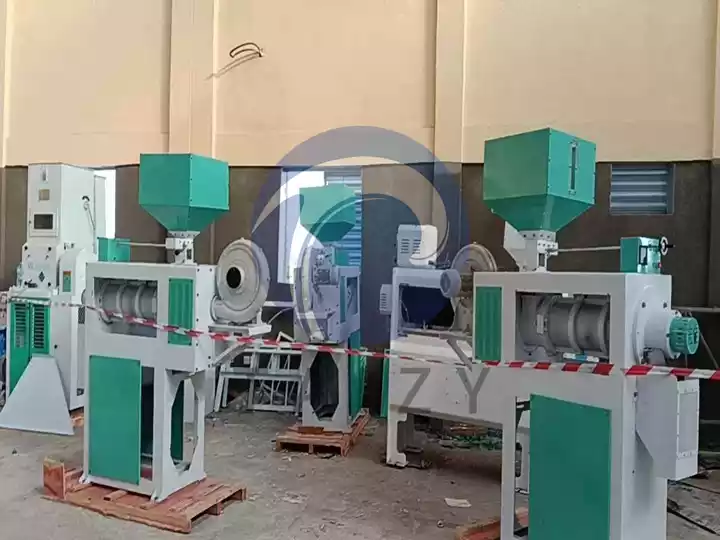
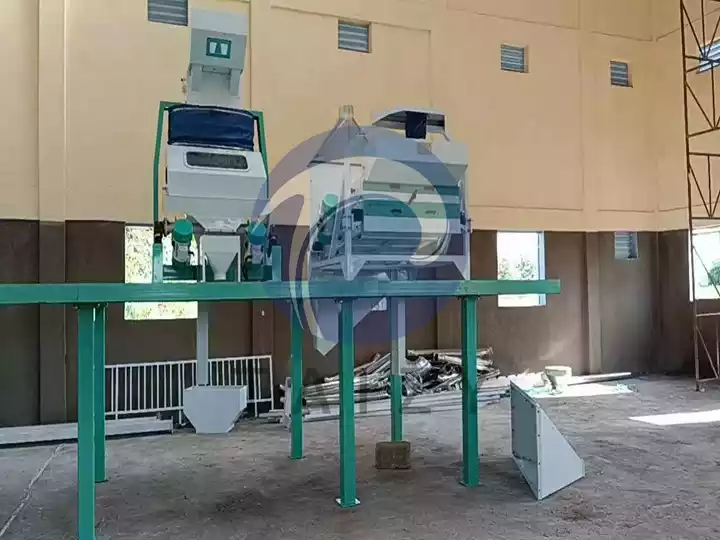
- Install suitable ventilation and local exhaust systems.
- Position dust collection equipment close to dust-generating machines.
- Separate raw rice storage, milling, bran collection, and finished rice packaging areas where practical.
- Keep material transportation routes clear to facilitate cleaning and maintenance.
- Provide sufficient space around machines for inspection and sanitation.
It is important to remember that general ventilation should not replace local dust extraction. Capturing bran dust directly at its source is usually more effective than trying to remove it after it spreads throughout the workshop.
Choose the Right Equipment for a Cleaner Rice Mill Plant
The equipment configuration directly affects dust generation and workshop sanitation.
A well-designed rice mill plant should integrate rice cleaning, husking, milling, polishing, grading, conveying, and dust collection equipment according to the required processing capacity.
When selecting equipment, consider:
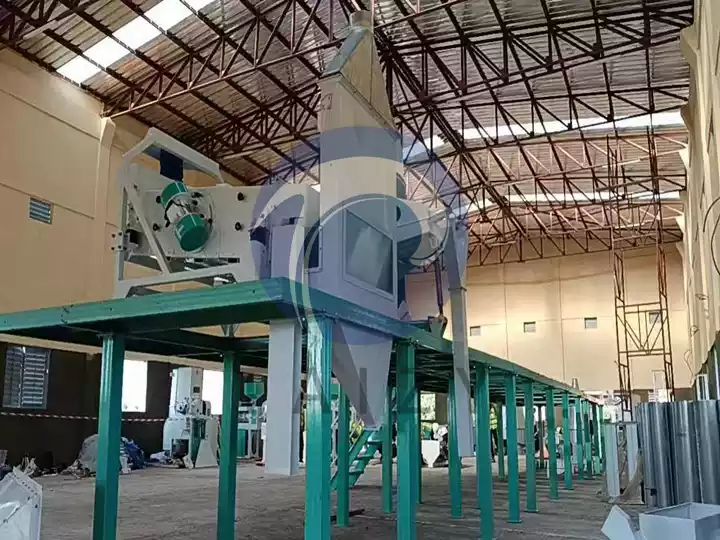
- Whether the machines support enclosed material transportation.
- Whether dust collection connections are available.
- Whether the milling and polishing systems are easy to clean.
- Whether the dust collection capacity matches the production line.
- Whether equipment maintenance and filter replacement are convenient.
For large-scale rice processing facilities, an integrated production line with properly designed dust extraction and bran collection systems can make workshop management easier and improve overall production conditions.
บทสรุป
Reducing bran dust and improving workshop sanitation are important parts of operating an efficient rice mill plant. By installing suitable dust collectors, sealing equipment connections, using enclosed conveyors, maintaining good ventilation, and establishing regular cleaning procedures, rice mill operators can create a cleaner and safer production environment.
If you are planning to build or upgrade a rice milling facility, selecting suitable rice processing equipment and designing an effective dust collection system from the beginning can help reduce long-term maintenance work and improve production management.
Contact us to learn more about our rice mill plant solutions and get equipment recommendations based on your processing capacity and workshop requirements.