Rice milling is an important process for removing husks and bran from paddy rice to produce clean, edible white rice. Choosing between single-stage and two-stage rice milling depends on your production capacity, rice quality requirements, investment budget, and business goals. So, which method is better for your rice processing business?
What Is Single-Stage Rice Milling?
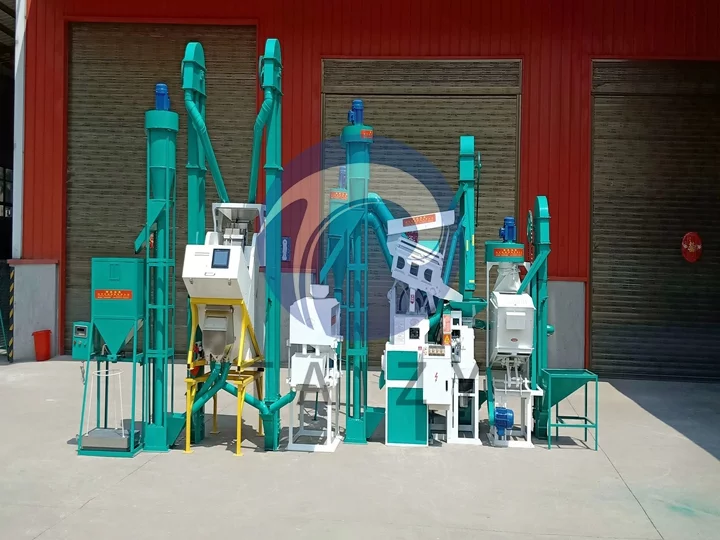
Single-stage rice milling uses a single milling process to remove the bran layer from brown rice and produce white rice. Depending on the machine design, some models combine multiple processing functions in one compact unit.
Advantages:
- Compact structure and relatively simple operation.
- Lower initial investment for small-scale businesses.
- Suitable for small farms, local rice shops, and basic processing needs.
Limitations:
- Less flexibility in controlling the degree of whitening.
- May produce more broken rice when processing conditions are not well controlled.
- Limited suitability for businesses requiring consistent, high-quality output.
What Is Two-Stage Rice Milling?
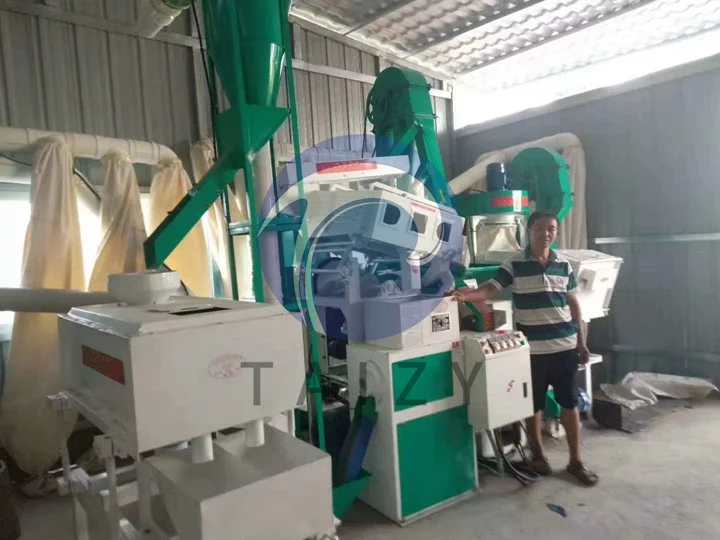
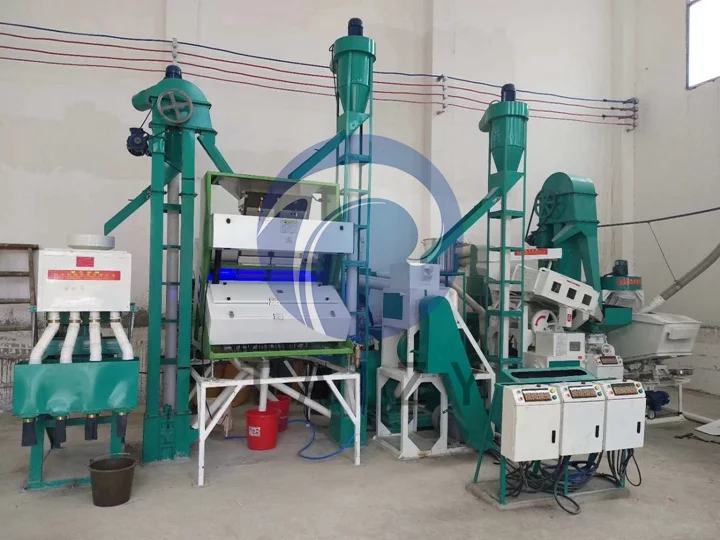
Two-stage rice milling separates the whitening process into two stages. The rice passes through the first milling stage for initial bran removal and then enters the second stage for further whitening.
This approach allows operators to distribute the milling workload and adjust processing conditions according to the desired rice quality.
Advantages:
- Better control over the whitening process.
- Potential to reduce excessive milling and improve whole-kernel yield.
- Suitable for medium-sized and larger rice processing businesses.
Limitations:
- Higher equipment investment.
- Requires more installation space and maintenance.
- Needs appropriate machine adjustment for stable performance.
Single-Stage vs Two-Stage Rice Milling: Key Differences
| Comparison | Single-Stage | Two-Stage |
|---|---|---|
| Equipment structure | Simpler | More complex |
| Initial investment | Generally lower | Generally higher |
| Operation | Relatively simple | More adjustment required |
| Rice quality control | More limited | More flexible |
| Best suited for | Small-scale processing | Medium- to large-scale production |
Actual performance depends on paddy quality, machine configuration, operating conditions, and the complete processing system.
Which Rice Milling Method Should You Choose?
The best choice depends on your production requirements.
Choose single-stage rice milling if you have a limited budget, process rice on a small scale, and prioritize simple operation.
Choose two-stage rice milling if you need more precise whitening control, consistent product quality, and greater flexibility for commercial rice processing.
You should also consider daily paddy input, expected finished rice output, local electricity supply, labor costs, and future expansion plans before purchasing equipment.
Can a Complete Rice Milling Line Improve Efficiency?
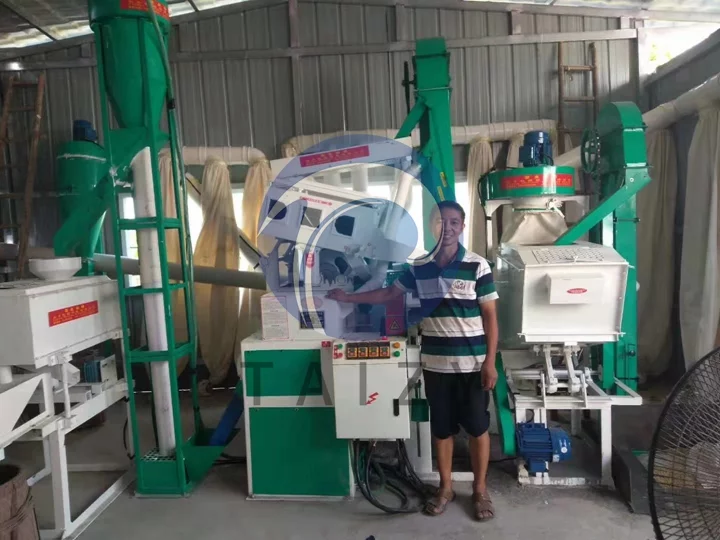
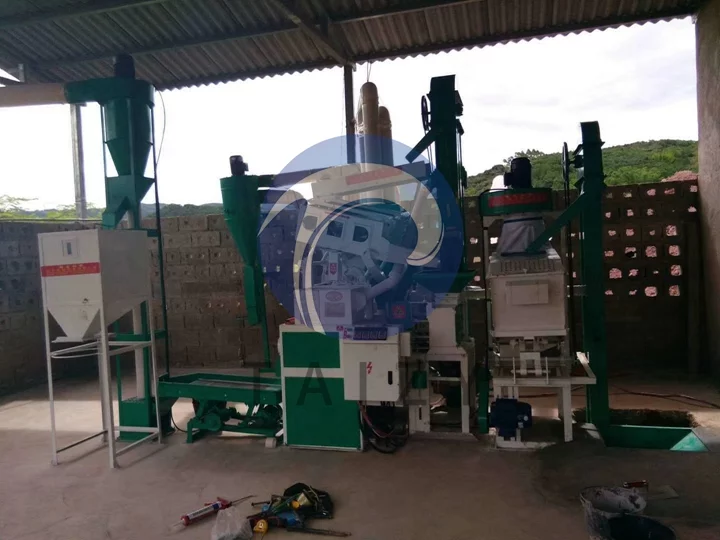
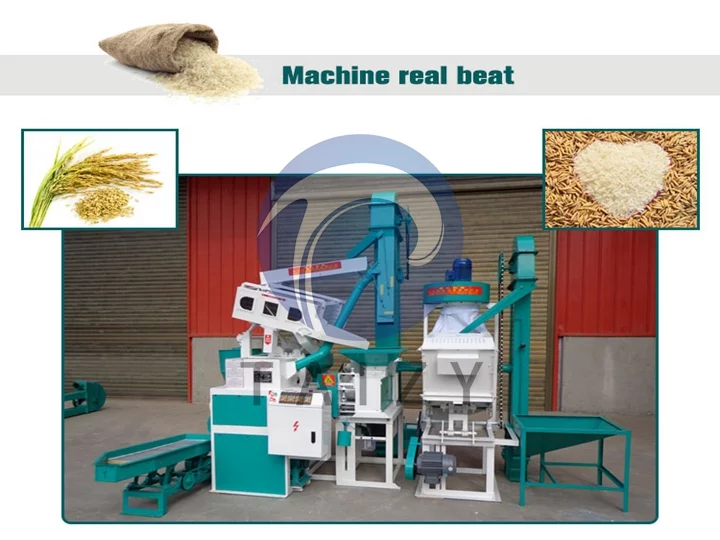
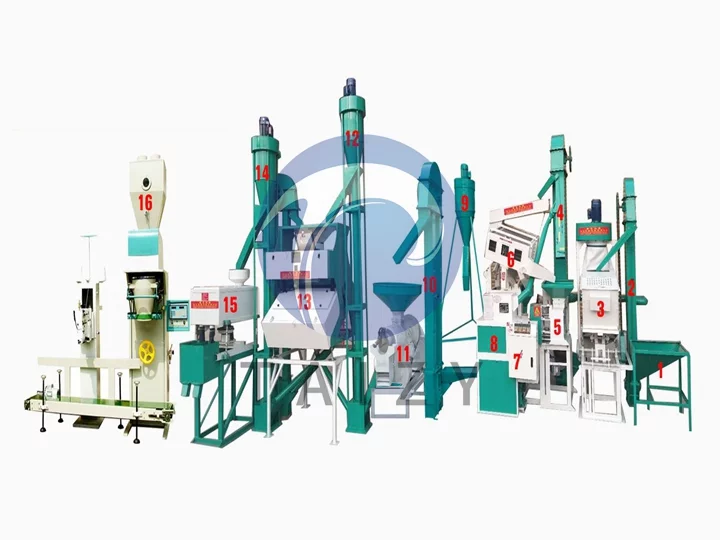
For businesses processing larger quantities of paddy, a complete rice milling line can integrate cleaning, destoning, husking, paddy separation, whitening, polishing, grading, and packaging.
Compared with purchasing individual machines without considering the overall workflow, a properly configured line helps coordinate each processing stage and supports smoother production.
When selecting equipment, match the line’s capacity to your actual raw material input and discuss the required rice quality with your supplier.
บทสรุป
Both single-stage and two-stage rice milling have their advantages. Single-stage systems are suitable for small-scale operations seeking lower investment, while two-stage systems offer greater flexibility for commercial rice processing.
Before making a decision, evaluate your capacity, budget, and rice quality targets. Choosing the right rice milling equipment can help improve processing efficiency and support long-term business growth.