Broken rice is a common problem when using a máy xay xát gạo. A high broken rice rate can reduce whole-rice yield, finished-rice quality, and overall profitability. The causes may include paddy moisture, machine settings, raw material quality, and equipment condition.
Incorrect Paddy Moisture
Paddy that is too dry becomes brittle and is more likely to break in a máy xay gạo, while excessive moisture can affect husking and whitening efficiency.
Solution: Control paddy moisture before milling and adjust it according to the rice variety and processing requirements.
Excessive Milling Pressure
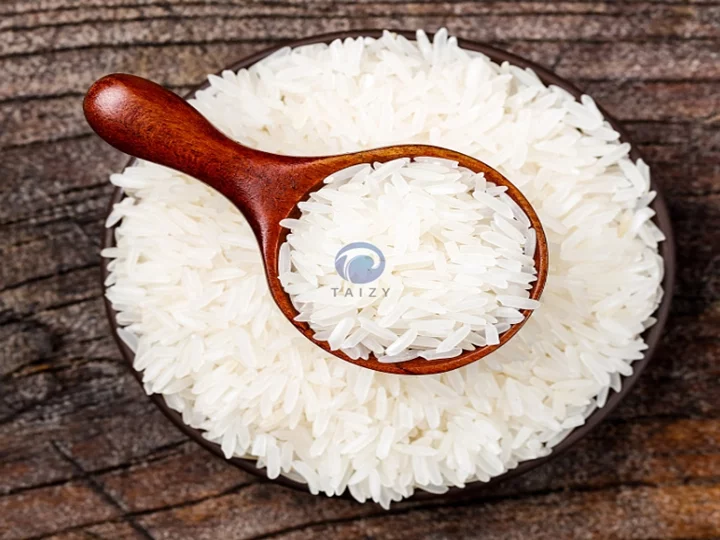
MỘT rice husking machine uses friction and pressure to remove the bran layer. Excessive pressure can create too much mechanical stress and increase rice breakage.
Solution: Adjust the milling pressure according to the rice variety, grain condition, and required whiteness. Avoid using unnecessarily high pressure.
Improper Rice Miller Settings
Feed rate, roller speed, airflow, and milling pressure all affect the performance of a máy xát gạo. Incorrect settings may cause uneven processing and excessive broken rice.
Solution: Follow the recommended operating parameters and make gradual adjustments according to actual milling results.
Poor-Quality Paddy
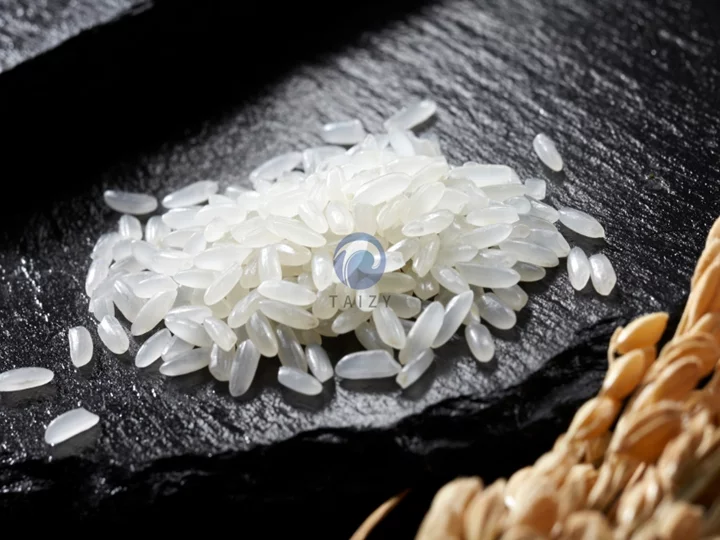
Cracked, immature, or poorly dried paddy is more vulnerable to breakage during processing. Even a high-quality nhà máy xay gạo cannot completely eliminate problems caused by poor raw materials.
Solution: Use well-dried, high-quality paddy and remove impurities and unsuitable grains through proper cleaning and grading.
Excessive Feeding Rate
Overfeeding a máy xay xát gạo can overload the milling chamber, increase friction, and reduce processing stability.
Solution: Keep the feeding rate within the machine’s rated capacity. For a complete rice milling plant, make sure the capacity of cleaning, husking, whitening, grading, and conveying equipment is properly matched.
Worn Rice Milling Machine Components
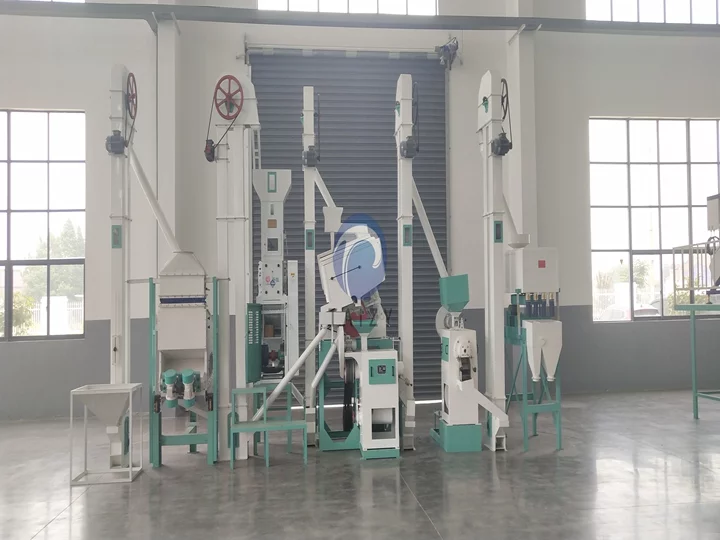
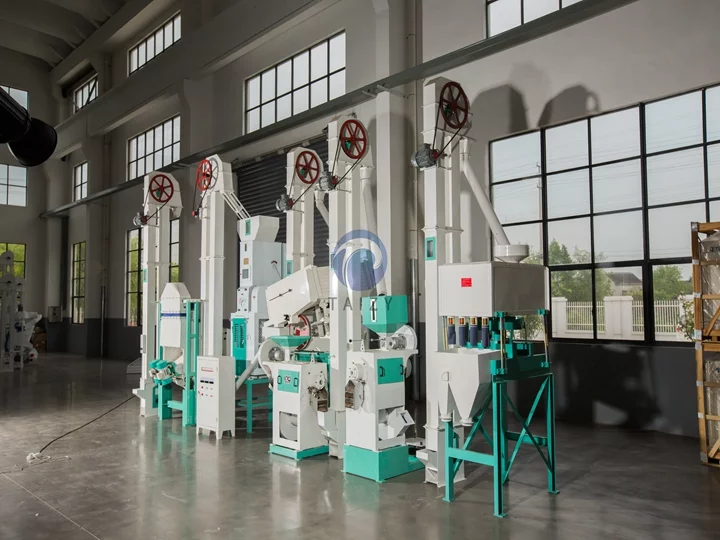
Rollers, screens, rubber parts, and other components of a máy xay xát gạo can wear after long-term operation. Worn parts may cause unstable pressure and uneven grain processing.
Solution: Inspect the machine regularly and replace worn components in time to maintain stable milling performance.
Unsuitable Milling Process
Different rice varieties have different grain structures, hardness, and moisture requirements. Using the same settings for every variety can increase breakage, even when using a properly designed máy xay xát gạo.
Solution: Adjust the milling process according to the rice variety, raw material condition, and finished-rice requirements.
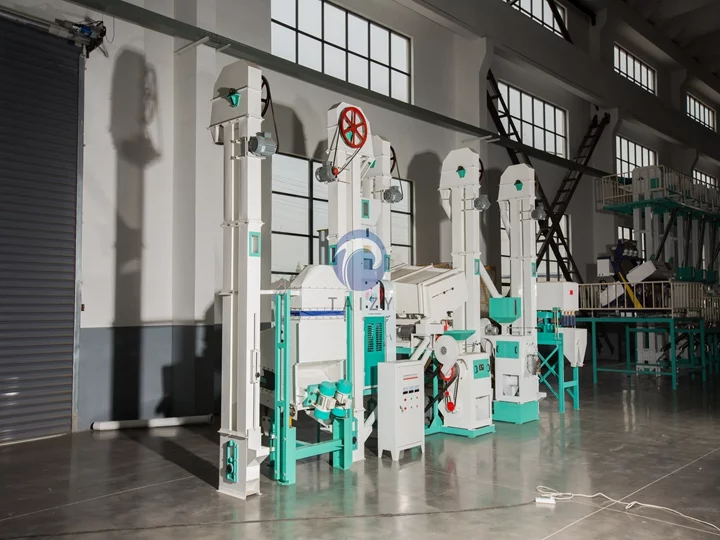
How to Reduce Broken Rice with a Rice Milling Machine?
Reducing broken rice requires control of the entire processing process, not just the whitening stage. A typical máy xay xát gạo production line may include:
Cleaning → Destoning → Husking → Paddy Separation → Whitening → Polishing → Grading → Color Sorting → Packaging
Properly matched equipment, stable feeding, suitable operating parameters, and regular maintenance can help improve whole-rice yield and finished-rice quality.
What to Check When Broken Rice Suddenly Increases?
If the broken rice rate suddenly increases when operating a máy xay xát gạo, check these factors first:
- Paddy moisture content
- Raw material quality
- Feeding rate
- Milling pressure
- Machine settings
- Worn components
- Equipment capacity matching
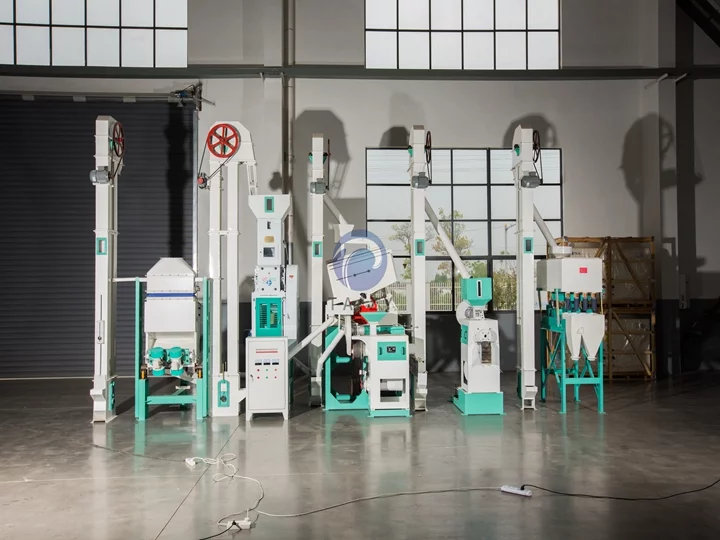
Identifying the actual cause is more effective than simply increasing or reducing milling pressure.
How to Choose the Right Rice Milling Machine?
When choosing a máy xay gạo, consider more than production capacity. Rice variety, raw material moisture, desired whiteness, whole-rice yield, automation level, energy consumption, and maintenance requirements should also be considered.
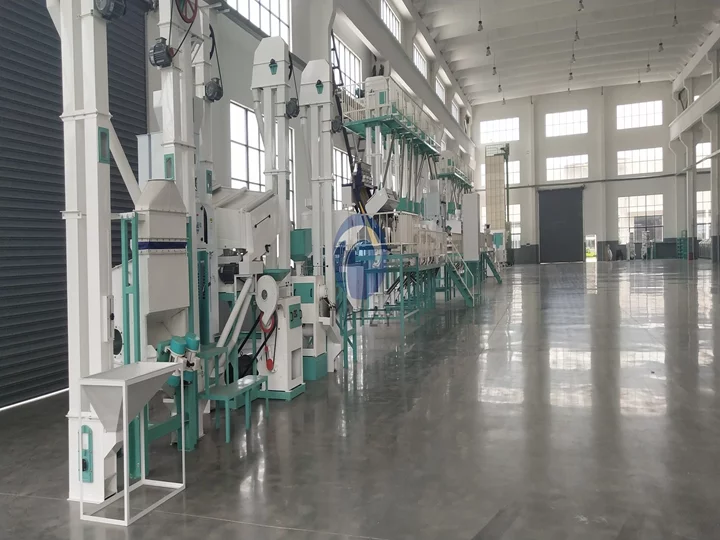
For small businesses, a compact rice huller machine may be sufficient. For commercial production, a complete rice milling plant with cleaning, husking, whitening, polishing, grading, and sorting equipment can provide more stable and efficient processing.
Phần kết luận
A high broken rice rate can result from incorrect moisture, excessive milling pressure, improper settings, poor-quality paddy, overfeeding, worn components, or an unsuitable milling process.
Choosing the right máy xay xát gạo and maintaining appropriate operating parameters can help reduce grain breakage, improve whole-rice yield, and maintain consistent finished-rice quality.
Looking for a suitable rice milling machine? Contact us with your required capacity and rice variety for a customized rice processing solution.