A reliable rice milling unit is the core asset for any grain workshop, rice mill factory and small-scale paddy processing business. Many mill owners face unexpected shutdowns, high broken rice rates and frequent part replacement simply because they ignore standardized maintenance.
Proper preventive maintenance not only prolongs the service life of your rice milling unit, but also keeps stable output, reduces repair cost and improves head rice yield. In this article, we share practical, actionable maintenance plans for your combined rice milling unit.
Why Regular Maintenance Matters for Your Rice Milling Unit?
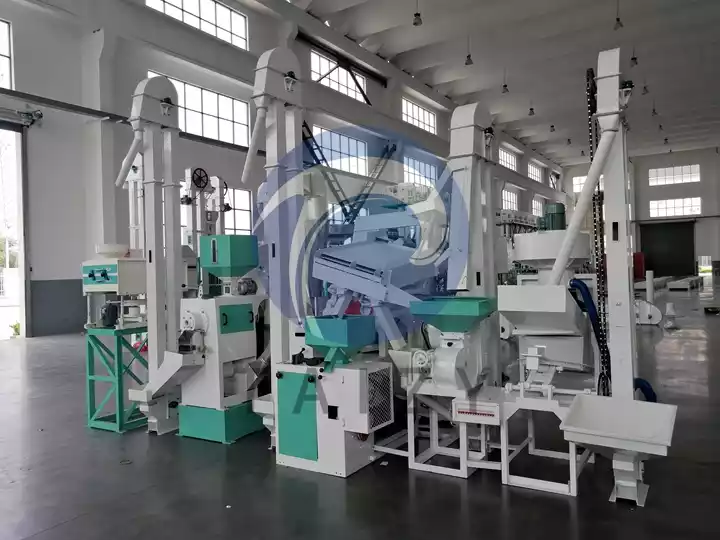
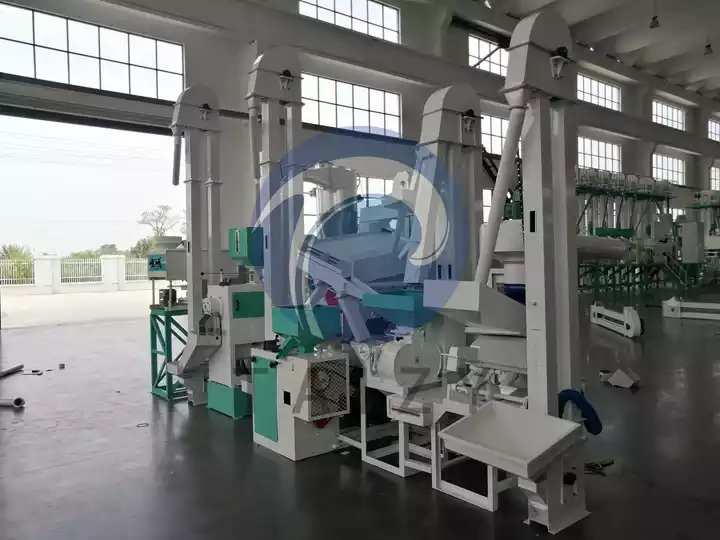
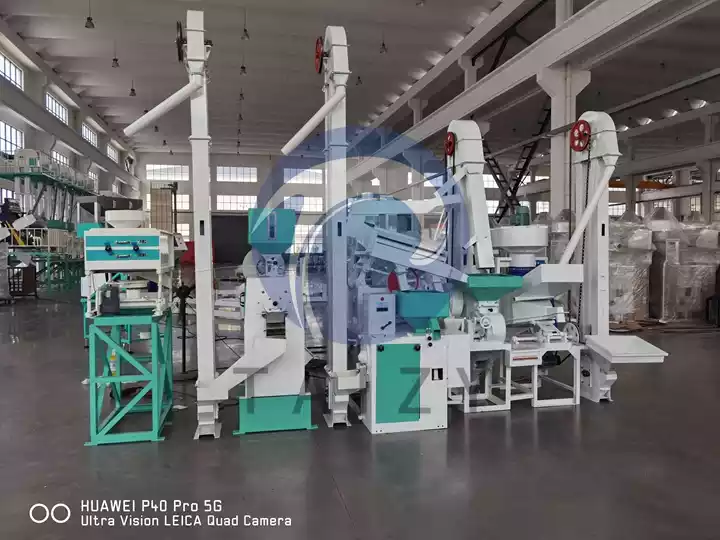
Your rice milling unit runs in a dusty, high-load working environment. It integrates paddy cleaning, destoning, hulling, whitening, grading and rice collection in one compact system. Accumulated rice bran, husk dust and continuous vibration will gradually damage bearings, rubber rollers, screens and drive belts if left unchecked.
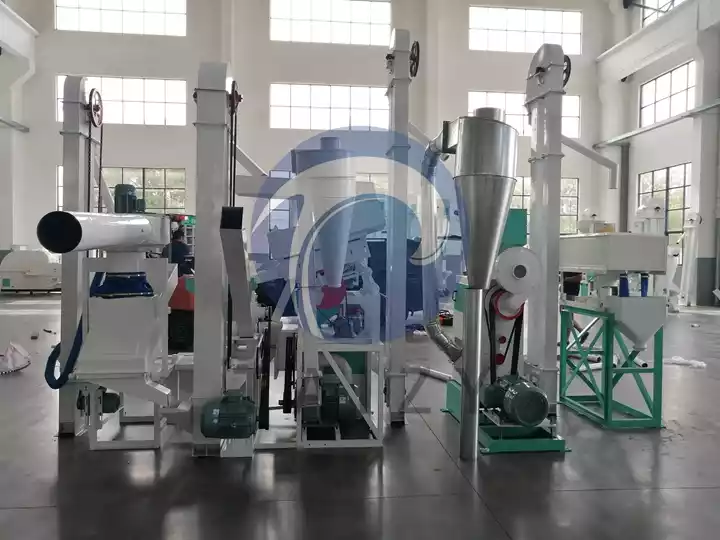
Without scheduled care, minor faults will quickly turn into costly breakdowns. Poor maintenance will also lead to unstable milling quality: more broken rice, uneven whitening and low husking rate. A well-maintained rice milling unit can serve you for many years with stable daily capacity, while neglect will shorten its usable life dramatically.
Daily Maintenance of Rice Milling Unit
Daily inspection and cleaning are the foundation of preventive maintenance, and they only take 10–20 minutes after finishing production. Always cut off the power supply before cleaning and checking.
- First, clear rice bran, husk residues and dust inside the milling chamber, vibrating screens, elevator buckets and feeding chute. Blocked bran buildup increases friction and accelerates wear of internal parts. Use air blowers and soft brushes instead of hard tools to avoid scratching screens and rollers.
- Second, listen for abnormal noise and check vibration. Operators should record strange grinding sounds, shaking or overheating of the motor. Check whether the feeding inlet is jammed and confirm that all safety guards are in place.
- Finally, do a quick visual check of belt tension and loose bolts caused by long-time vibration. Fix small loose connections before the next shift.
Weekly Inspection & Lubrication Schedule
Lubrication is the key to reduce friction damage for your rice milling unit. All moving parts including bearings, gear shafts and hinge points need proper lubrication. Use the food-grade grease recommended by the machine manufacturer, and avoid over-lubrication which attracts more dust.
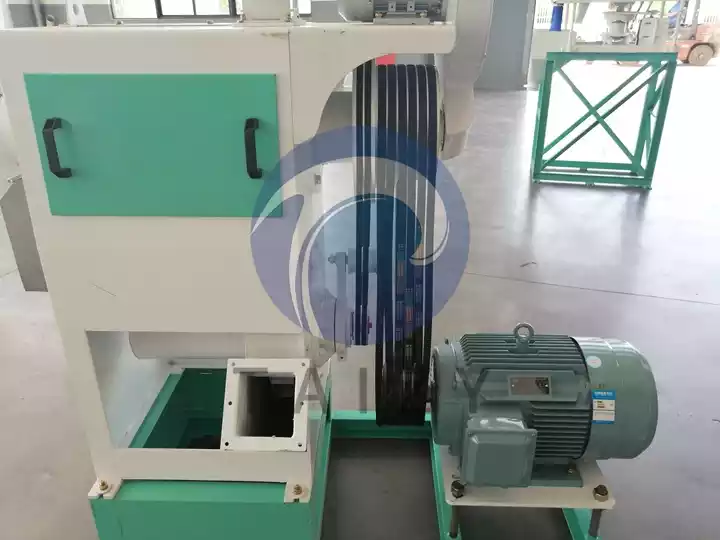
During weekly service, tighten all bolts and fasteners on the frame, conveyor and huller section. Check the drive belts for cracks, fraying or slipping. Replace worn belts early to prevent sudden power loss during milling.
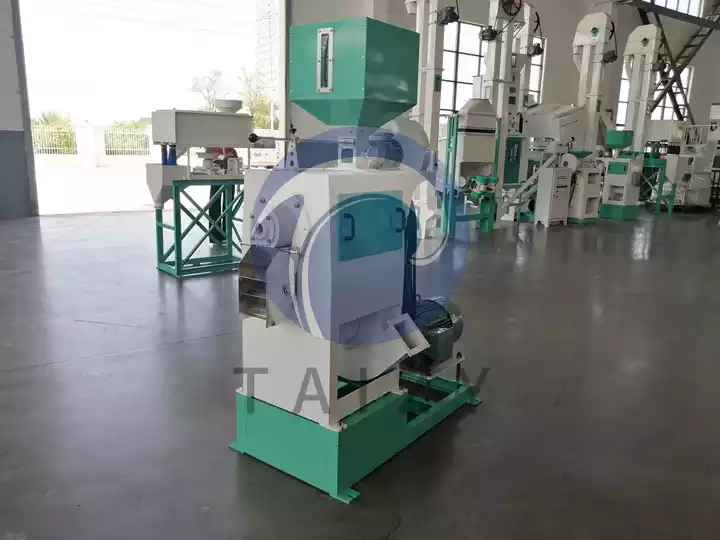
You also need to inspect the rubber hulling rollers and mesh screens. Check for uneven wear, surface scratches or holes. Clean the air duct and dust removal system to guarantee good ventilation. Poor dust collection will let fine bran enter the motor and control cabinet.
Monthly & Quarterly Deep Maintenance for Core Components
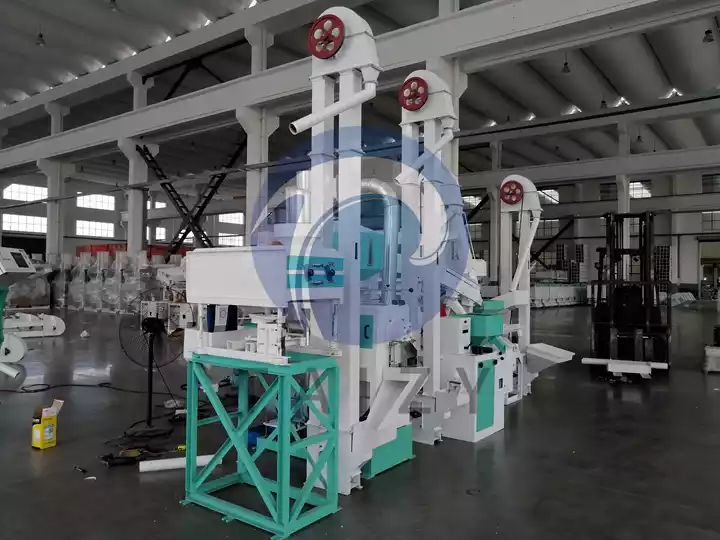
Monthly maintenance focuses on the wear parts that decide milling performance of the rice milling unit.
Rubber rollers are the most consumable parts. When the surface wears unevenly or the husking efficiency drops clearly, adjust the roller gap or arrange replacement. Worn rollers will raise broken rice rate greatly. Check the emery roller and sieve mesh of the whitening chamber, and replace damaged screens in time.
Every 3 months, carry out a full deep inspection. Clean the motor housing and cooling fan; dust covering the motor will cause overheating and burnout. Check electrical wiring, control panel and sensors, make sure all wiring is tight and free of bran dust. Calibrate the feeding speed and whitening pressure according to your paddy condition.
Seasonal Shutdown & Long-Term Storage Maintenance
If you stop the rice milling unit for weeks or off-season storage, special protection is required. Thoroughly clean every corner to remove all rice residues, because leftover bran will absorb moisture and cause mildew, rust and corrosion on stainless steel and metal parts. Add anti-rust grease on exposed shafts and bearings. Cover the whole rice milling unit with waterproof dust cover. Store it in a dry, ventilated warehouse, away from humid ground. Before restarting after storage, do full lubrication and empty test run.
Common Mistakes That Shorten Rice Milling Unit Lifespan
Many users hurt their rice milling unit unintentionally by bad operation habits.
- Overloading the machine continuously beyond rated capacity. Longtime overload speeds up roller and bearing damage.
- Processing wet paddy directly. High-moisture paddy sticks inside the chamber, causes clogging and increases wear.
- Using wrong lubricant or skipping lubrication. Low-quality grease leads to bearing burning.
- Only repairing when the machine stops, without any preventive check. Emergency repair costs much higher than routine maintenance.
Заключение
A good maintenance routine helps your рисовый фрезерный агрегат keep stable performance and maximum service life. Stick to daily cleaning, weekly lubrication, monthly component inspection and seasonal protection.
Record maintenance logs for each check and part replacement. If you need technical support or spare parts for your combined rice milling unit, contact us for professional guidance.