Rice milling yield and final grain quality are not determined by a single machine or setting. They result from a chain of interconnected variables spanning raw material, equipment, and operation.
Understanding these factors helps millers reduce broken grains, boost head rice yield, and deliver a more consistent product.
Paddy Quality and Moisture Content
The single biggest factor lies before milling even begins. Paddy variety, maturity at harvest, and moisture content directly set the ceiling for yield and quality. Overly dry paddy becomes brittle and fractures easily during husking and whitening, while excessively wet grain clogs machinery and raises energy consumption.
The optimal moisture range for milling typically falls between 13% and 14%. Uniform drying after harvest minimizes fissures and preserves head rice recovery.
Milling Equipment and Configuration
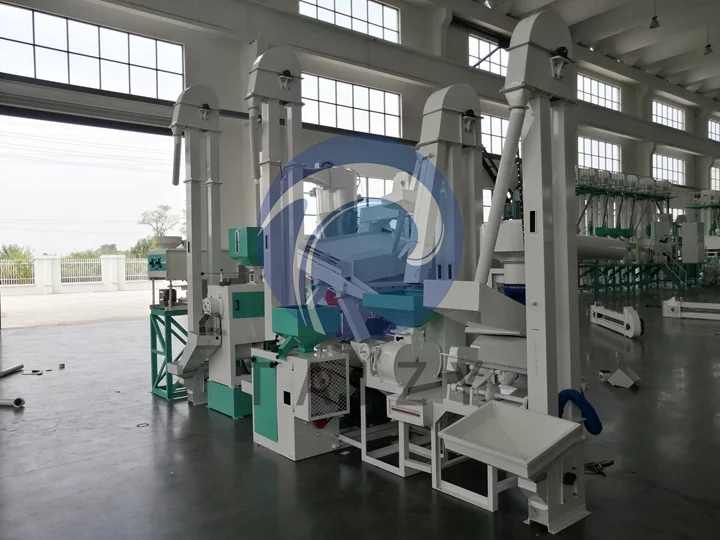
The type, condition, and arrangement of equipment shape both yield and quality. A well-configured 精米生産ライン integrates cleaning, de-stoning, husking, whitening, polishing, and grading in the correct sequence. Worn rubber rollers, misaligned whitening chambers, and dull polishing brushes all increase breakage and reduce recovery.
For processors seeking a turnkey solution, our 15TPD to 40-ton complete rice milling plants are engineered with precision gap control and consistent feeding systems, ensuring each stage operates at peak efficiency while minimizing grain damage.
Operational Parameters
Even the best equipment underperforms with poor settings. Feed rate, roller pressure, whitening time, and air aspiration must be calibrated to the specific paddy variety and moisture level. Over-aggressive whitening removes bran too quickly, generating broken grains and powdery surfaces.
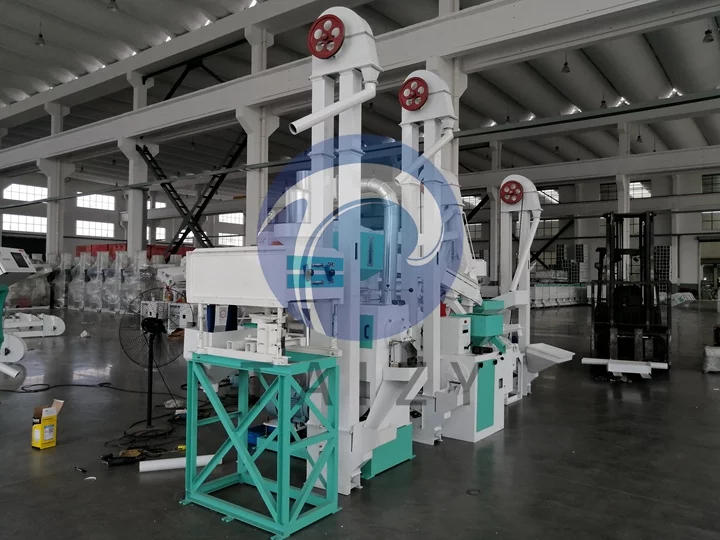
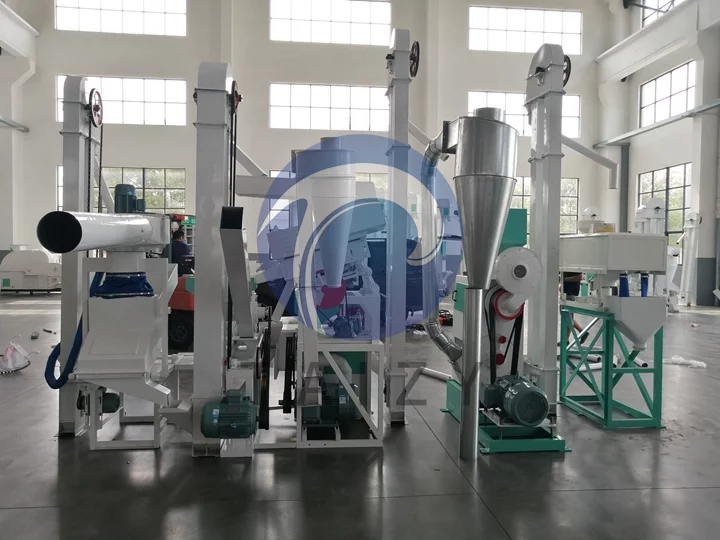
私たちの automatic rice milling units feature centralized control panels that allow operators to fine-tune these parameters in real time, reducing human error and maintaining batch-to-batch consistency — a critical advantage for commercial mills targeting premium-grade output.
Post-Milling Processing
Color sorting and grading are the final quality gatekeepers. Optical sorters remove discolored grains, chalky kernels, and foreign material that escaped earlier stages.
Accurate grading separates head rice from broken grains, allowing millers to sell each fraction at its appropriate value. Proper packaging and storage after milling preserve texture, aroma, and shelf life.
結論
Maximizing rice milling yield and quality requires balancing paddy preparation, equipment maintenance, operational precision, and post-milling care.
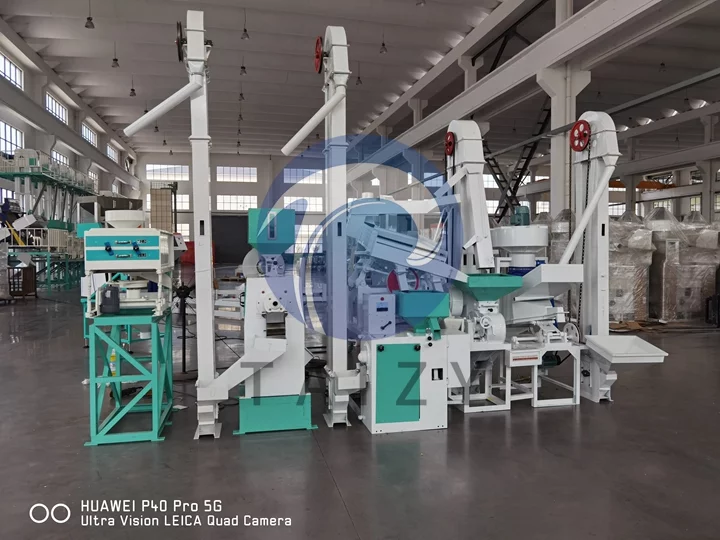
Whether you are starting a small operation or scaling up to commercial capacity, our range of rice milling machine production lines — from 15TPD integrated units to 40-ton full plants — delivers the reliability and precision needed for consistent, high-quality results.