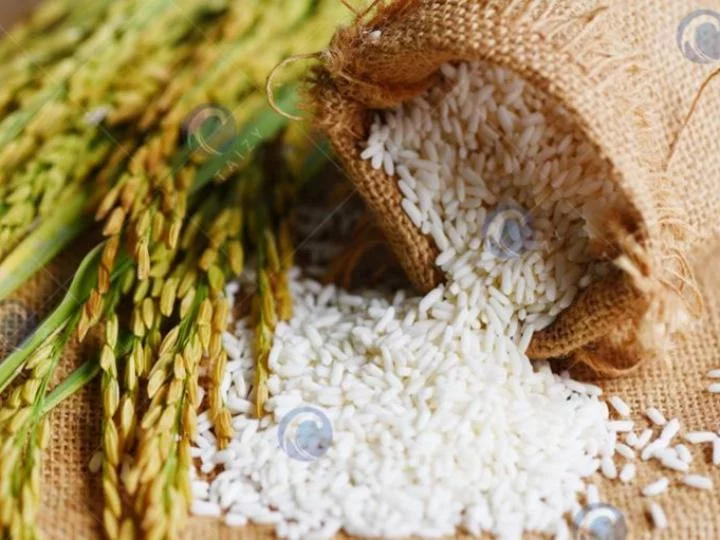
Rice processing is the key stage that transforms harvested paddy into clean, edible rice for consumers. Each processing step affects rice quality, yield, and market value. Understanding the complete rice processing flow also helps producers choose the right equipment for efficient and stable production.
Rice Cultivation and Harvesting
Rice production starts in the field with proper land preparation, water management, and crop care. During the growing season, farmers ensure adequate irrigation and nutrient supply to support healthy rice growth.
Once the rice reaches maturity, harvesting is carried out manually or by combine harvesters. Modern harvesting methods help reduce grain loss and provide cleaner paddy rice for the next processing stage.

Cleaning and Pre-Treatment of Paddy Rice
Freshly harvested paddy rice contains impurities such as straw, dust, sand, and stones. Before entering the milling process, paddy rice must be cleaned using specialized cleaning equipment. This step not only improves rice quality but also protects downstream machines from wear and damage.
Clean paddy rice is then ready for husk removal.
Dehusking and Paddy Separation
Dehusking removes the outer husk layer from the paddy grain, producing brown rice. This process is typically carried out using friction or rubber roller technology to maintain grain integrity.
Since not all grains are completely dehusked in one pass, paddy separators are used to separate unhusked rice from brown rice. The unhusked grains are returned for further dehusking, ensuring higher output and reduced waste.

Rice Milling and Whitening Process
Milling, also known as whitening, removes the bran layers from brown rice to produce white rice. This step has a direct impact on the appearance and taste of the final product. Milling intensity can be adjusted to meet different market requirements, balancing whiteness and nutritional value.
At this stage, broken rice is also separated for alternative uses such as food processing or feed production.
Grading, Sorting, and Polishing
After milling, rice is graded and sorted based on grain size and quality. This ensures uniformity in the final product and improves market competitiveness.
Optional polishing further enhances the smoothness and shine of rice grains, increasing their visual appeal and commercial value.

Packaging and Storage
The finished rice is weighed, packed, and labeled according to market standards. Proper packaging protects rice from moisture, contamination, and physical damage during transportation and storage.
Choosing the Right Rice Milling Machine
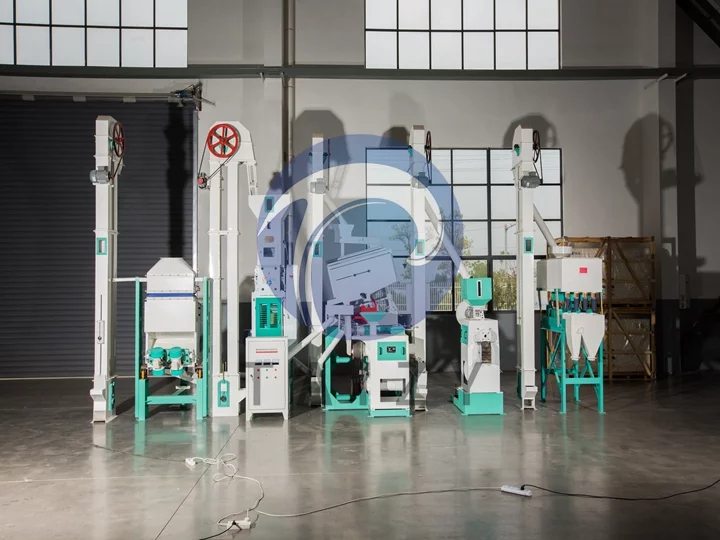
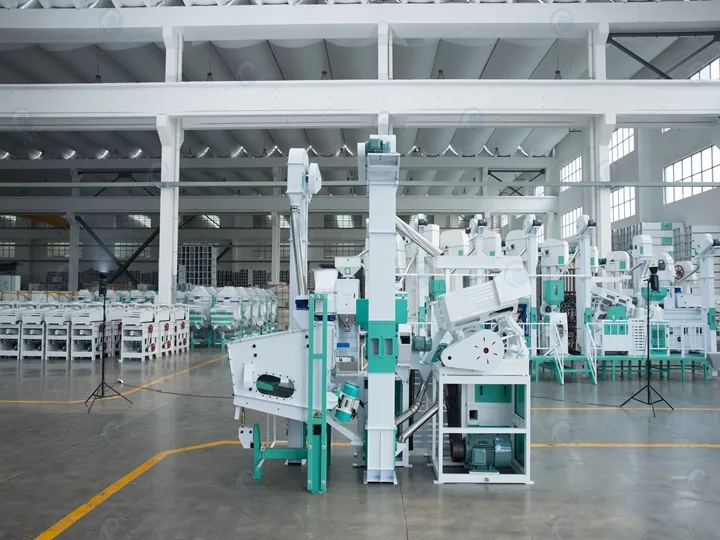
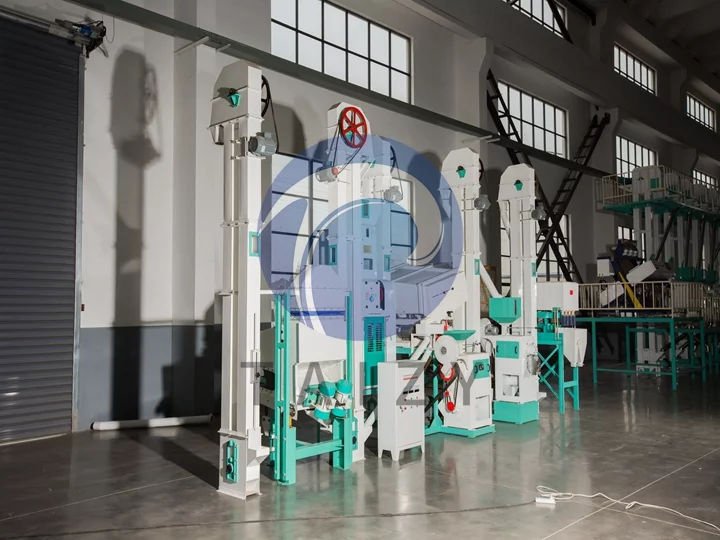
To achieve stable rice quality and high production efficiency, selecting the right rice milling machine is essential. Our rice milling machines are designed to integrate cleaning, dehusking, milling, and grading into a smooth and efficient workflow. With reliable performance, low grain breakage, and easy operation, our equipment is suitable for small, medium, and large rice processing plants.
We offer complete rice milling solutions, including single machines and full production lines, with customizable capacity options to match different processing needs.
結論
From harvesting to packaging, rice processing involves multiple carefully controlled steps. With the support of modern processing technology and reliable rice milling equipment, producers can improve efficiency, reduce losses, and deliver high-quality rice to the market.
Contact us today to learn more about our rice milling machines and find the right solution for your rice processing project.