Rice processing is a profitable agricultural business in many countries because rice is a daily staple food with stable market demand. However, before investing in a 精米工場, many investors want to know: How much profit can a rice mill plant make? The answer depends on factors such as raw material cost, production capacity, rice recovery rate, operating expenses, and market price.
What Is the Investment Cost of a Rice Mill Plant?
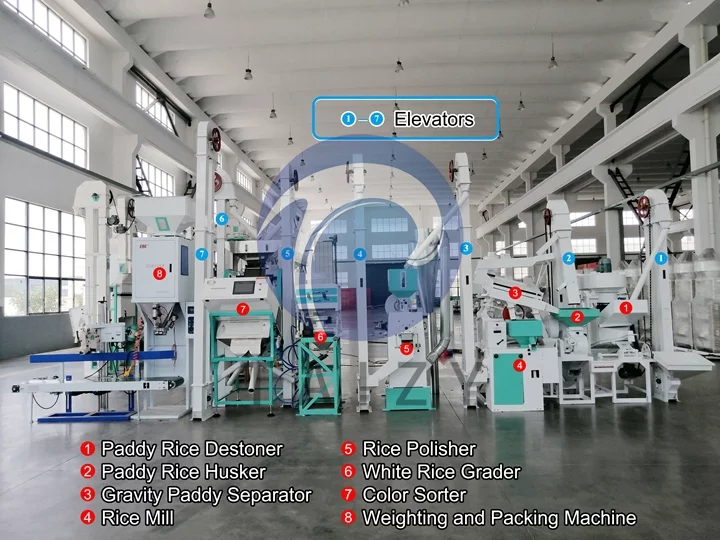
The investment cost of a rice mill plant varies depending on capacity, automation level, equipment configuration, and factory requirements. A complete rice milling system usually includes several machines, such as:
- 籾殻除去機
- デストーナー
- 籾すり機
- 水田セパレーター
- 米の白色化機
- 精米機
- 米の選別機
- Color sorter (optional)
- Rice packaging machine
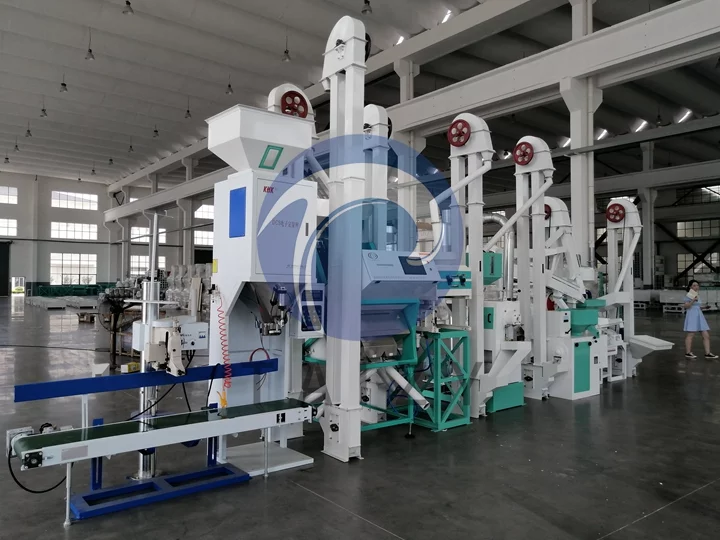
a 15 tons/day automatic rice miller is a suitable choice for small and medium-scale rice processing businesses. Compared with traditional small rice mills, it provides higher automation, better rice quality, and more stable output.
The total investment usually includes:
- Rice milling equipment cost
- Factory construction cost
- Installation and transportation expenses
- Labor and electricity costs
- Raw paddy purchase cost
Although the initial investment is higher than a simple rice milling machine, an automatic rice mill plant can bring higher production efficiency and better long-term returns.
How Much Rice Can a 15T/D Rice Mill Production Line Produce?
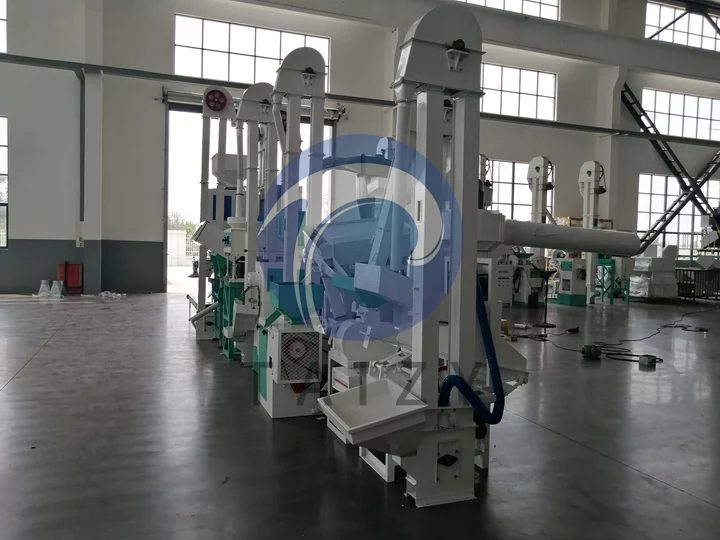
A 15T/D rice milling machine plant can process around 15 tons of paddy per day under normal working conditions.
The final rice output depends on the rice recovery rate. Generally, paddy can produce approximately:
- 65%-70% finished rice
- 20%-25% rice husk
- 8%-10% rice bran and broken rice
For example:
If a plant processes 15 tons of paddy per day:
- Finished rice output: about 9.75-10.5 tons/day.
- Rice husk and bran can also be sold or reused for additional income.
This means investors can generate revenue not only from white rice sales but also from by-products.
What Factors Affect the Profit of a Rice Mill Plant?
The profitability of a rice milling business is influenced by several key factors:
Raw Paddy Purchase Price
Raw material cost is one of the largest expenses in rice processing. Purchasing paddy during harvest seasons when prices are lower can significantly improve profit margins.
Rice Recovery Rate
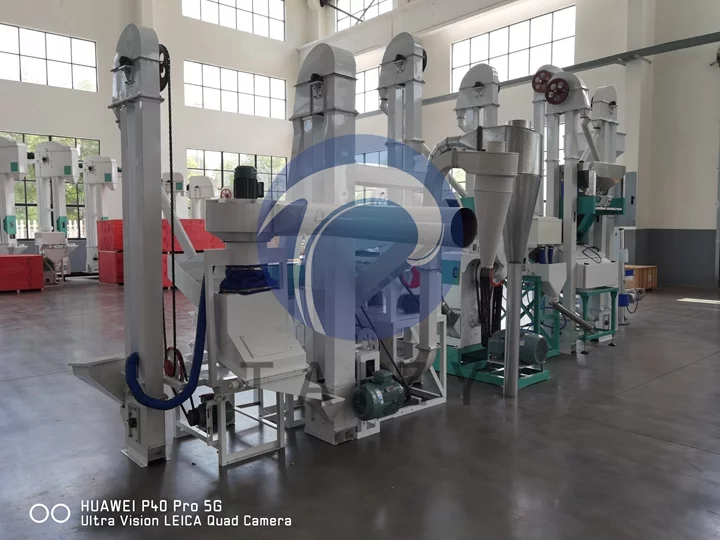
A high-quality rice milling machine can reduce broken rice and improve finished rice output. A higher recovery rate means more sellable rice from the same amount of paddy.
Rice Selling Price
The selling price depends on rice quality, local market demand, packaging method, and brand value. Premium-quality rice usually provides higher profit margins.
Production Capacity and Equipment Efficiency
An automatic rice mill plant can operate continuously with less manual labor, helping reduce production costs and increase overall profitability.
By-product Utilization
Rice husk, rice bran, and broken rice can be sold for animal feed, fuel, or other industrial applications, creating additional income streams.
How Long Does It Take to Recover the Investment?
The payback period of a rice mill plant depends on:
- Daily processing volume
- Local rice prices
- Raw material availability
- Operating costs
- Sales channels
For a well-managed rice milling business, increasing production efficiency and reducing processing losses are the key factors that shorten the investment recovery period.
Choosing the right capacity is also important. A small rice mill plant may require less investment, while a larger automatic rice mill plant can generate higher profits when market demand is strong.
Is Investing in a Rice Mill Plant Profitable?
A rice mill plant can be a profitable investment when supported by stable paddy supply, effective production management, and strong market demand.
a 15T/D automatic rice mill plant is an ideal option for entrepreneurs who want to enter the rice processing industry with moderate investment and scalable production capacity. By improving rice quality, reducing losses, and utilizing rice by-products, investors can create a sustainable and profitable rice milling business.
Choosing reliable rice milling equipment is the first step toward building a successful rice processing project.