쌀 가공은 특히 쌀겨와 짚과 같은 부산물을 많이 생성하는데, 이는 전통적으로 폐기물로 간주되었습니다. 불법 소각이나 버리기와 같은 부적절한 처리 방법은 자원을 낭비할 뿐만 아니라 환경에도 해를 끼칩니다. 오늘날, 쌀 폐기물은 혁신적이고 지속 가능한 접근 방식을 통해 점점 더 가치 있는 자원으로 전환되고 있습니다.
재생 에너지로서의 쌀겨
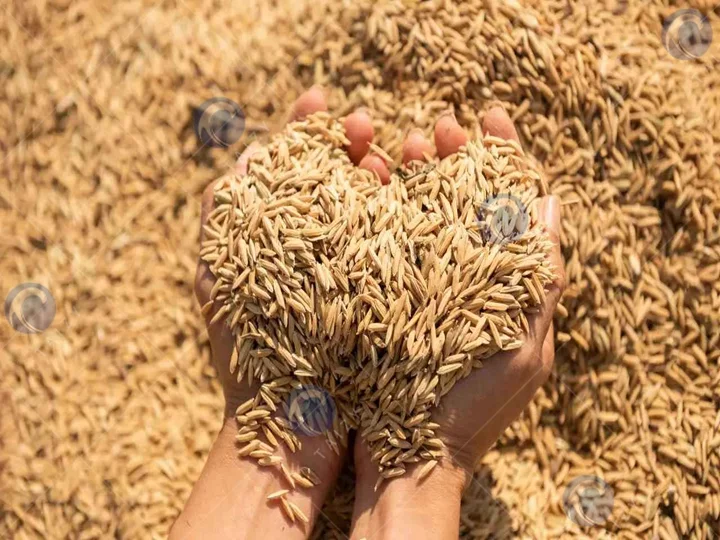
Rice husks, accounting for roughly 20% of harvested rice, are rich in cellulose and silica. One of the most effective ways to utilize them is by making biomass fuel pellets or briquettes. These products provide a clean, renewable energy source that can replace coal or other fossil fuels in boilers, furnaces, and small power plants. This not only reduces energy costs but also helps minimize air pollution and carbon emissions.
건설에 사용되는 쌀겨 재
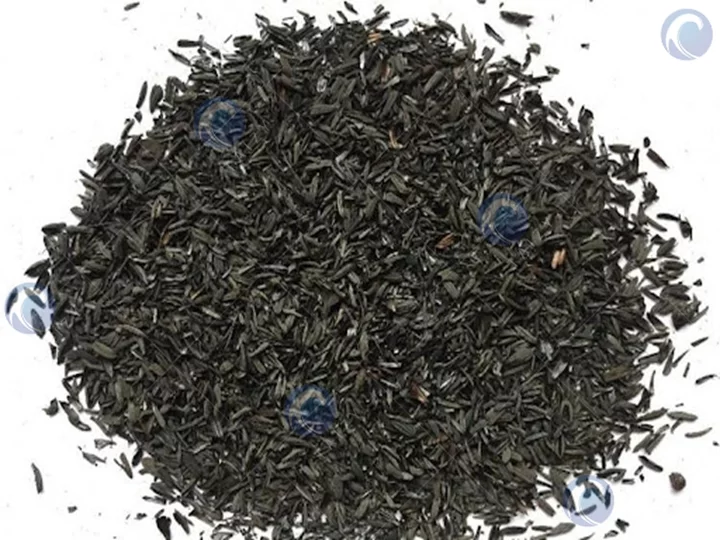
When burned under controlled conditions, rice husks produce rice husk ash (RHA), which contains a high concentration of silica. RHA is valuable in the construction industry as an additive to cement and concrete. It improves material strength and durability while lowering the demand for energy-intensive traditional construction materials, promoting sustainable building practices.
쌀짚과 껍질의 퇴비화
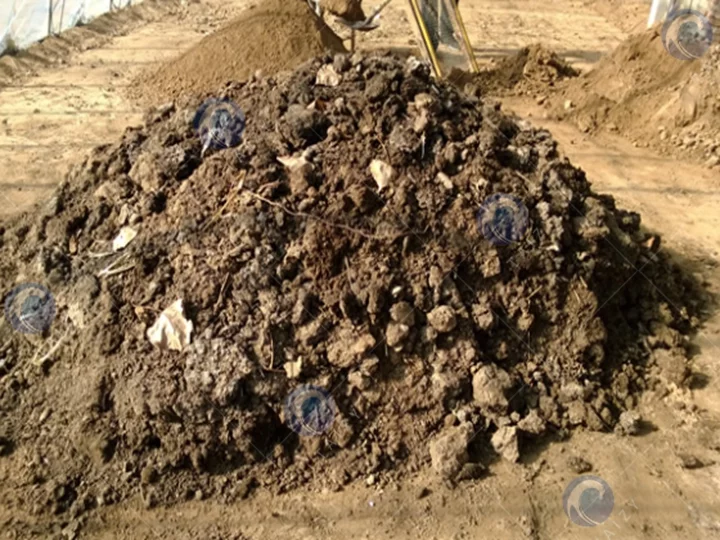
Rice straw and husks can also be composted with animal manure to produce nutrient-rich organic fertilizer. This method improves soil fertility and structure, reduces waste volume, and prevents unpleasant odors associated with raw agricultural residues. It also supports eco-friendly agriculture by closing the loop in nutrient recycling.
결론
쌀 폐기물을 에너지, 건설 자재, 유기 비료로 전환함으로써 쌀 생산 지역은 환경 영향을 줄이면서 경제적 기회를 창출할 수 있습니다. 이러한 부산물의 적절한 활용은 순환 경제 방식을 보여주며, 한때 폐기물로 여겨졌던 것을 가치 있는 자원으로 변화시키는 사례입니다.
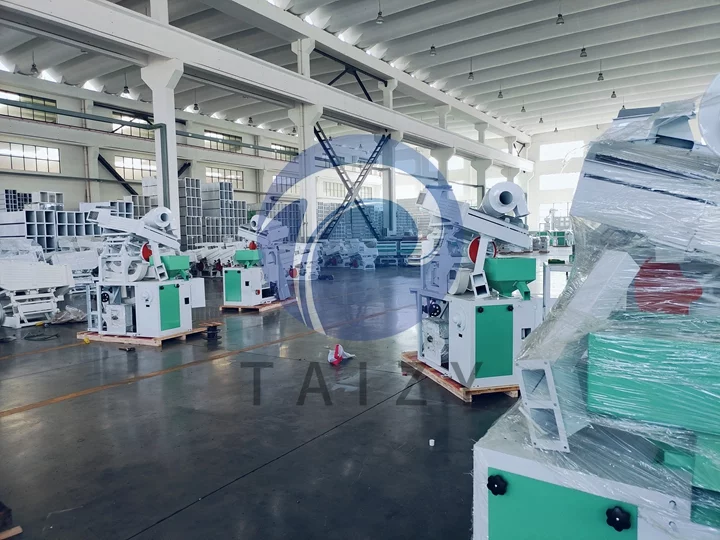
For rice producers looking to optimize their processing, we recommend our high-efficiency rice milling production lines. These machines not only improve rice yield and quality but also generate rice husks and by-products in a form that is easy to recycle and repurpose, helping you achieve both economic and environmental benefits.