Quá trình chế biến gạo tạo ra các phụ phẩm đáng kể, đặc biệt là vỏ trấu và rơm, vốn trước đây được coi là chất thải. Việc xử lý không đúng cách, như đốt hoặc vứt bỏ, không chỉ lãng phí tài nguyên mà còn gây hại cho môi trường. Ngày nay, phế thải gạo ngày càng được chuyển đổi thành các nguồn tài nguyên có giá trị thông qua các phương pháp sáng tạo và bền vững.
Vỏ trấu gạo như năng lượng tái tạo
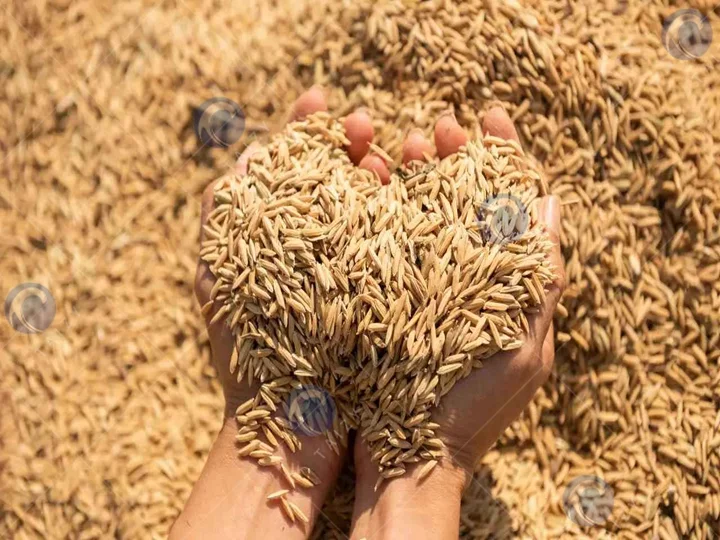
Rice husks, accounting for roughly 20% of harvested rice, are rich in cellulose and silica. One of the most effective ways to utilize them is by making biomass fuel pellets or briquettes. These products provide a clean, renewable energy source that can replace coal or other fossil fuels in boilers, furnaces, and small power plants. This not only reduces energy costs but also helps minimize air pollution and carbon emissions.
Tro trấu trong xây dựng
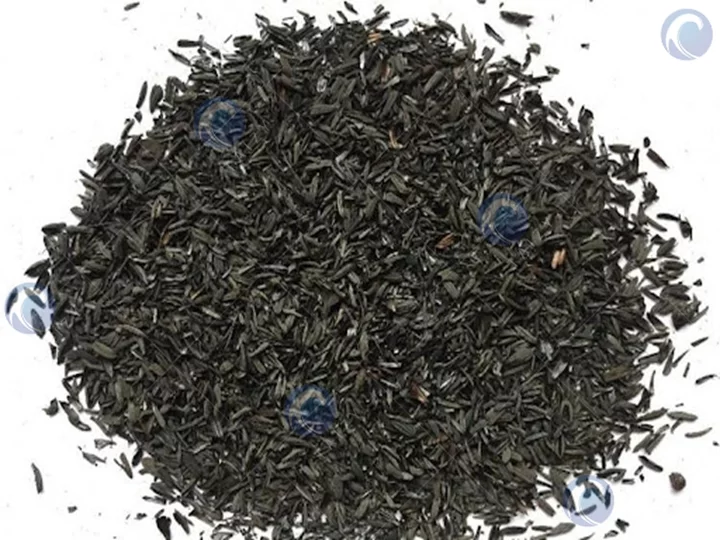
When burned under controlled conditions, rice husks produce rice husk ash (RHA), which contains a high concentration of silica. RHA is valuable in the construction industry as an additive to cement and concrete. It improves material strength and durability while lowering the demand for energy-intensive traditional construction materials, promoting sustainable building practices.
Ủ phân rơm và vỏ trấu
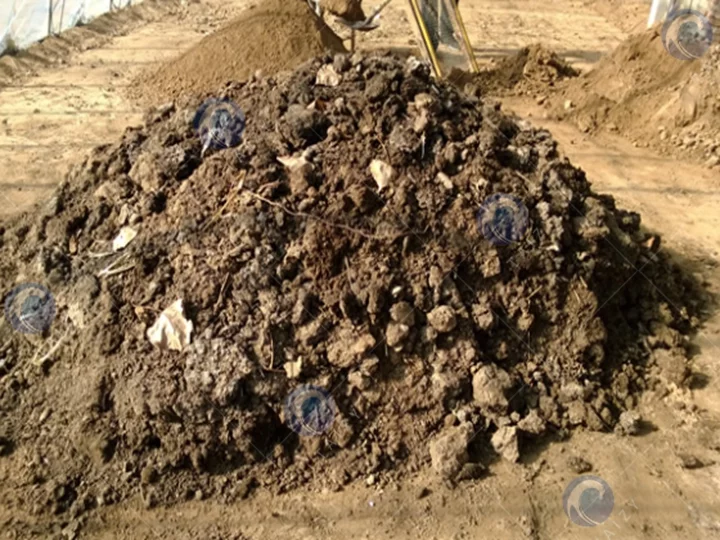
Rice straw and husks can also be composted with animal manure to produce nutrient-rich organic fertilizer. This method improves soil fertility and structure, reduces waste volume, and prevents unpleasant odors associated with raw agricultural residues. It also supports eco-friendly agriculture by closing the loop in nutrient recycling.
Phần kết luận
Bằng cách biến phế thải gạo thành năng lượng, vật liệu xây dựng và phân bón hữu cơ, các vùng sản xuất gạo có thể giảm tác động môi trường trong khi tạo ra cơ hội kinh tế. Việc sử dụng đúng cách các phụ phẩm này thể hiện một phương pháp kinh tế tuần hoàn, biến những gì từng là chất thải thành tài nguyên có giá trị.
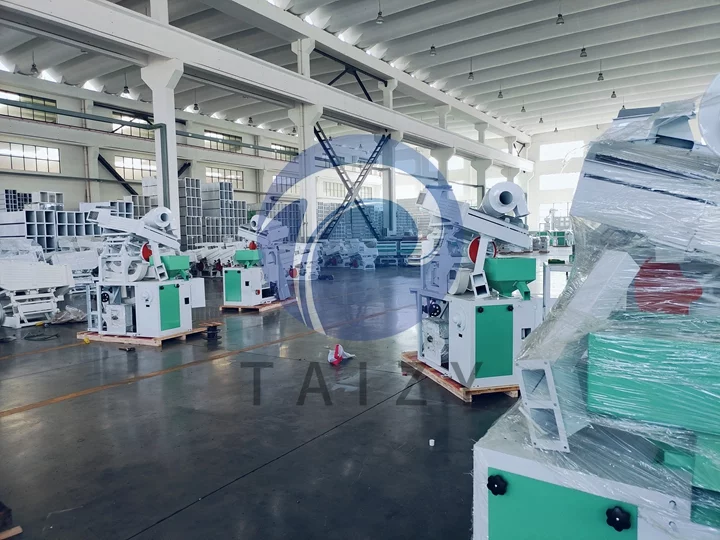
For rice producers looking to optimize their processing, we recommend our high-efficiency rice milling production lines. These machines not only improve rice yield and quality but also generate rice husks and by-products in a form that is easy to recycle and repurpose, helping you achieve both economic and environmental benefits.