يُنتج معالجة الأرز مخلفات كبيرة، خاصة قش الأرز والقمح، والتي كانت تعتبر تقليديًا نفايات. إن التخلص غير السليم، مثل الحرق أو الرمي، لا يضيع الموارد فحسب، بل يضر أيضًا بالبيئة. اليوم، يتم تحويل نفايات الأرز بشكل متزايد إلى موارد قيمة من خلال أساليب مبتكرة ومستدامة.
قش الأرز كمصدر طاقة متجددة
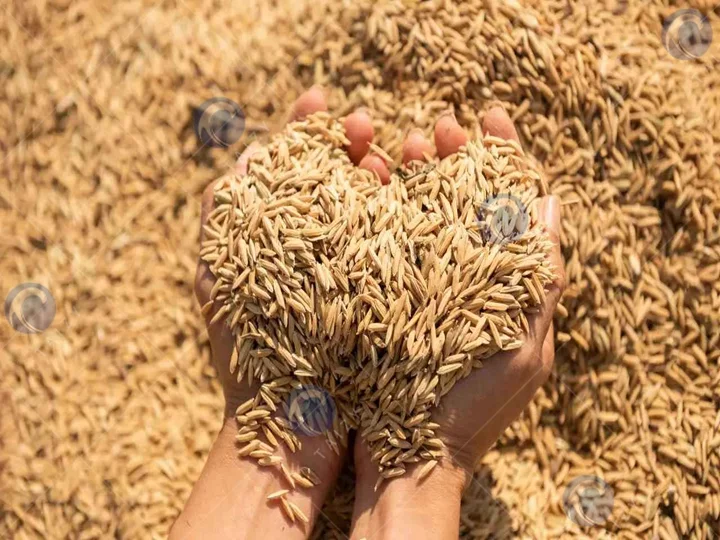
Rice husks, accounting for roughly 20% of harvested rice, are rich in cellulose and silica. One of the most effective ways to utilize them is by making biomass fuel pellets or briquettes. These products provide a clean, renewable energy source that can replace coal or other fossil fuels in boilers, furnaces, and small power plants. This not only reduces energy costs but also helps minimize air pollution and carbon emissions.
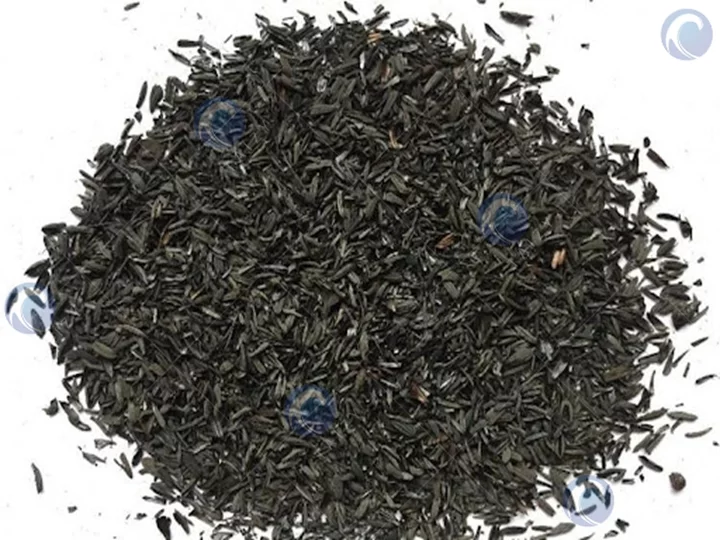
رماد قش الأرز في البناء
When burned under controlled conditions, rice husks produce rice husk ash (RHA), which contains a high concentration of silica. RHA is valuable in the construction industry as an additive to cement and concrete. It improves material strength and durability while lowering the demand for energy-intensive traditional construction materials, promoting sustainable building practices.
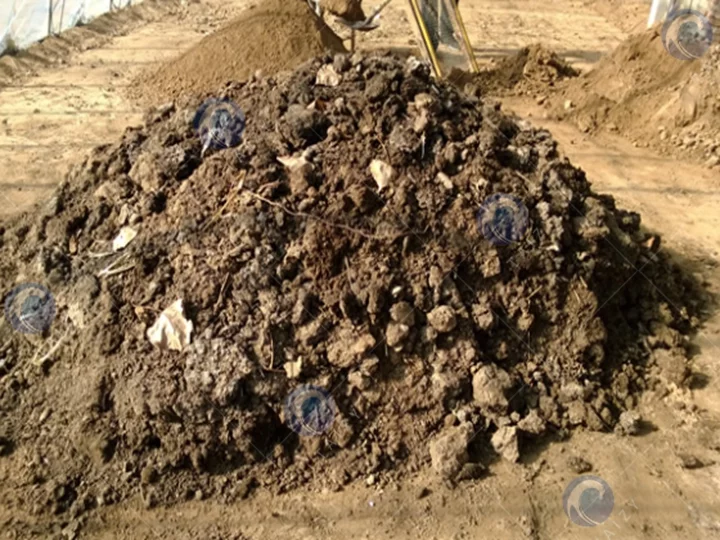
تحويل قش القمح والأرز إلى سماد عضوي عن طريق التسميد مع روث الحيوانات.
Rice straw and husks can also be composted with animal manure to produce nutrient-rich organic fertilizer. This method improves soil fertility and structure, reduces waste volume, and prevents unpleasant odors associated with raw agricultural residues. It also supports eco-friendly agriculture by closing the loop in nutrient recycling.
خاتمة
من خلال تحويل نفايات الأرز إلى طاقة ومواد بناء وسماد عضوي، يمكن لمناطق إنتاج الأرز تقليل الأثر البيئي مع خلق فرص اقتصادية. إن الاستخدام السليم لهذه المنتجات الثانوية يعكس نهج الاقتصاد الدائري، حيث يتحول ما كان يُعتبر نفايات إلى موارد قيمة.
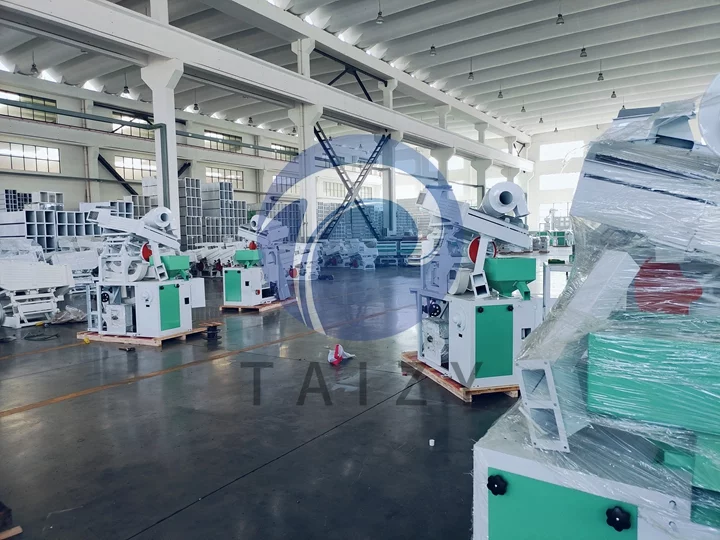
For rice producers looking to optimize their processing, we recommend our high-efficiency rice milling production lines. These machines not only improve rice yield and quality but also generate rice husks and by-products in a form that is easy to recycle and repurpose, helping you achieve both economic and environmental benefits.