米の加工は、伝統的に廃棄物と考えられてきた米殻や稲わらなどの副産物を大量に生み出します。不適切な処理、例えば焼却や投棄は、資源の浪費だけでなく環境にも害を及ぼします。今日では、米の廃棄物は革新的で持続可能なアプローチによって価値ある資源に変換されつつあります。
再生可能エネルギーとしての米殻
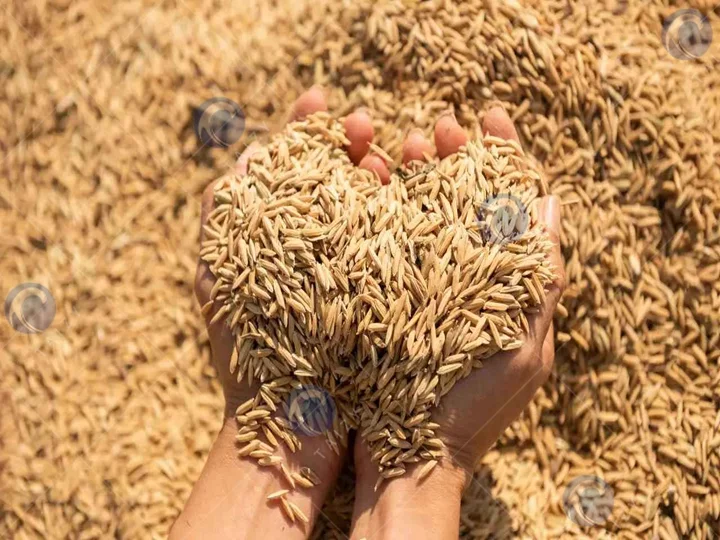
Rice husks, accounting for roughly 20% of harvested rice, are rich in cellulose and silica. One of the most effective ways to utilize them is by making biomass fuel pellets or briquettes. These products provide a clean, renewable energy source that can replace coal or other fossil fuels in boilers, furnaces, and small power plants. This not only reduces energy costs but also helps minimize air pollution and carbon emissions.
建設における米殻灰
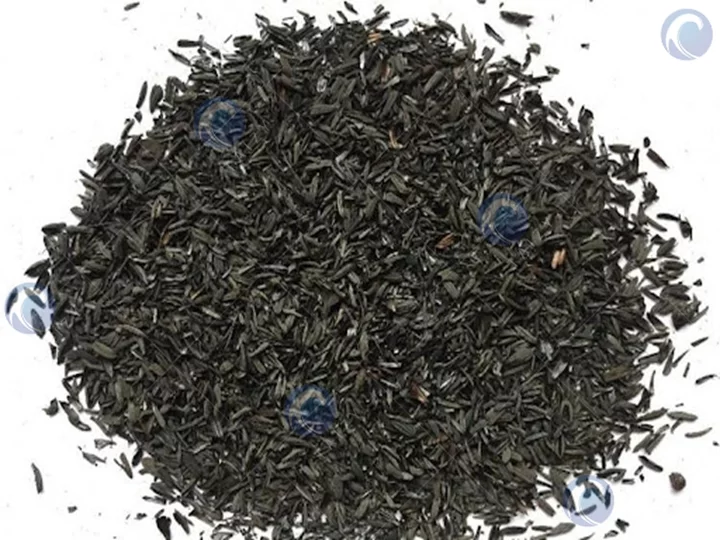
When burned under controlled conditions, rice husks produce rice husk ash (RHA), which contains a high concentration of silica. RHA is valuable in the construction industry as an additive to cement and concrete. It improves material strength and durability while lowering the demand for energy-intensive traditional construction materials, promoting sustainable building practices.
米 straw と husks の堆肥化
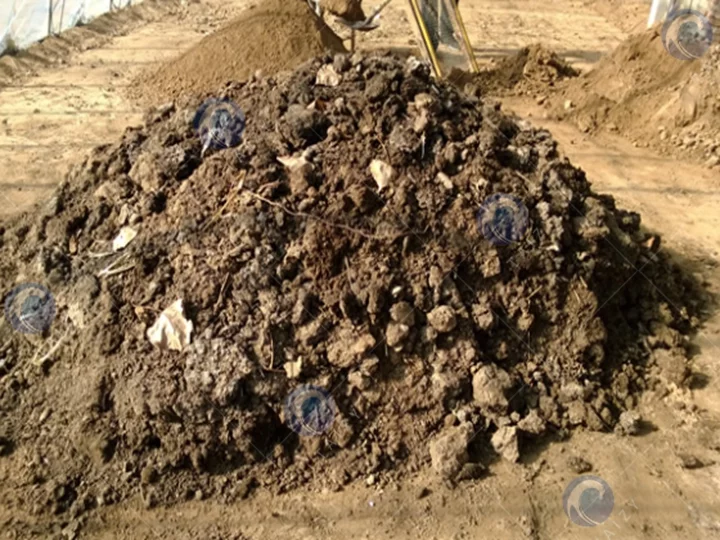
Rice straw and husks can also be composted with animal manure to produce nutrient-rich organic fertilizer. This method improves soil fertility and structure, reduces waste volume, and prevents unpleasant odors associated with raw agricultural residues. It also supports eco-friendly agriculture by closing the loop in nutrient recycling.
結論
米廃棄物をエネルギー、建築材料、有機肥料に変えることで、米生産地域は環境への影響を減らしながら経済的な機会を創出できます。これらの副産物の適切な利用は、循環型経済のアプローチの一例であり、かつて廃棄物だったものを価値ある資源に変えることを示しています。
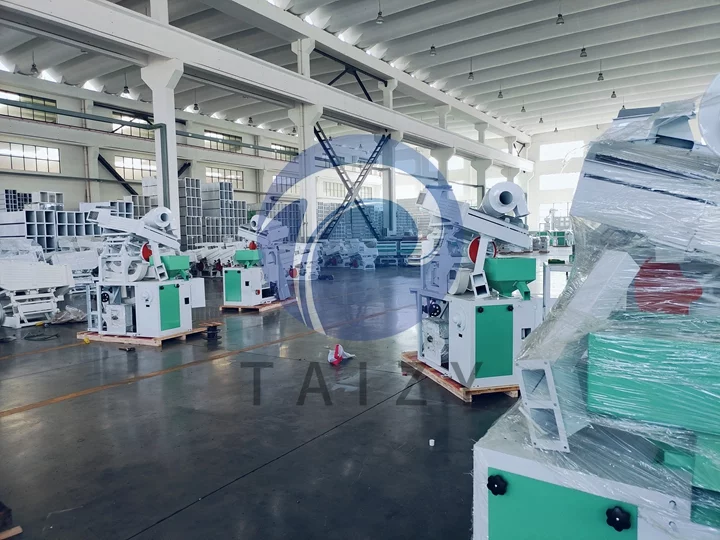
For rice producers looking to optimize their processing, we recommend our high-efficiency rice milling production lines. These machines not only improve rice yield and quality but also generate rice husks and by-products in a form that is easy to recycle and repurpose, helping you achieve both economic and environmental benefits.