Обработка риса дает значительные побочные продукты, особенно рисовую шелуху и солому, которые традиционно считались отходами. Неправильная утилизация, такая как сжигание или выброс, не только тратит ресурсы, но и наносит вред окружающей среде. Сегодня рисовые отходы все чаще превращаются в ценные ресурсы с помощью инновационных и устойчивых подходов.
Рисовая шелуха как возобновляемая энергия
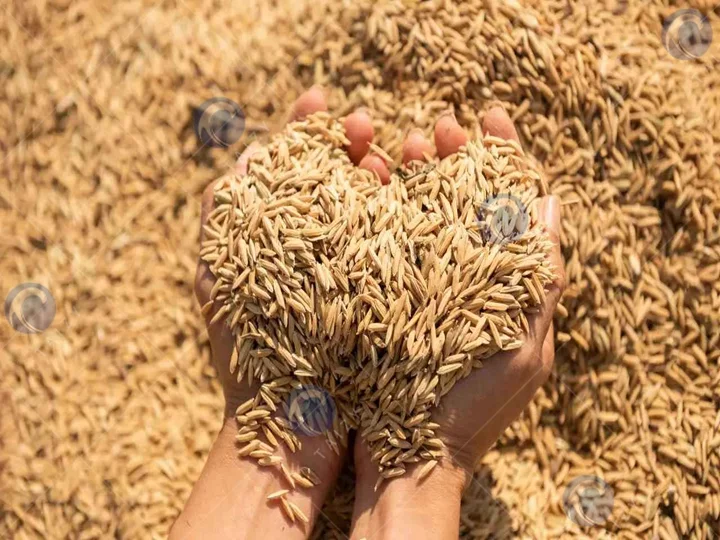
Rice husks, accounting for roughly 20% of harvested rice, are rich in cellulose and silica. One of the most effective ways to utilize them is by making biomass fuel pellets or briquettes. These products provide a clean, renewable energy source that can replace coal or other fossil fuels in boilers, furnaces, and small power plants. This not only reduces energy costs but also helps minimize air pollution and carbon emissions.
Зола из рисовой шелухи в строительстве
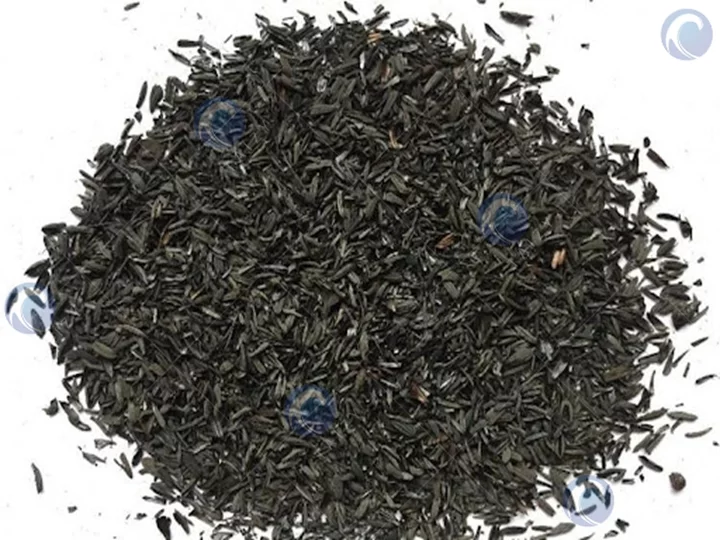
When burned under controlled conditions, rice husks produce rice husk ash (RHA), which contains a high concentration of silica. RHA is valuable in the construction industry as an additive to cement and concrete. It improves material strength and durability while lowering the demand for energy-intensive traditional construction materials, promoting sustainable building practices.
Компостирование рисовой соломы и шелухи
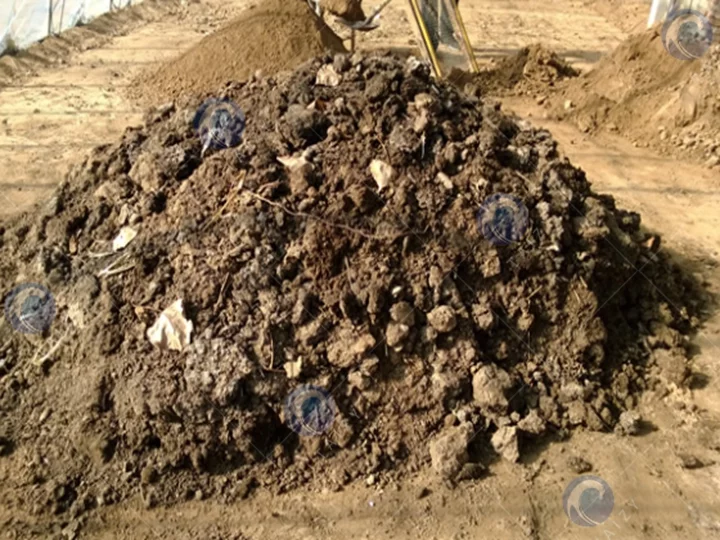
Rice straw and husks can also be composted with animal manure to produce nutrient-rich organic fertilizer. This method improves soil fertility and structure, reduces waste volume, and prevents unpleasant odors associated with raw agricultural residues. It also supports eco-friendly agriculture by closing the loop in nutrient recycling.
Заключение
Преобразуя рисовые отходы в энергию, строительные материалы и органические удобрения, регионы, производящие рис, могут снизить воздействие на окружающую среду и одновременно создать экономические возможности. Правильное использование этих побочных продуктов является примером подхода циркулярной экономики, превращая то, что раньше считалось отходами, в ценные ресурсы.
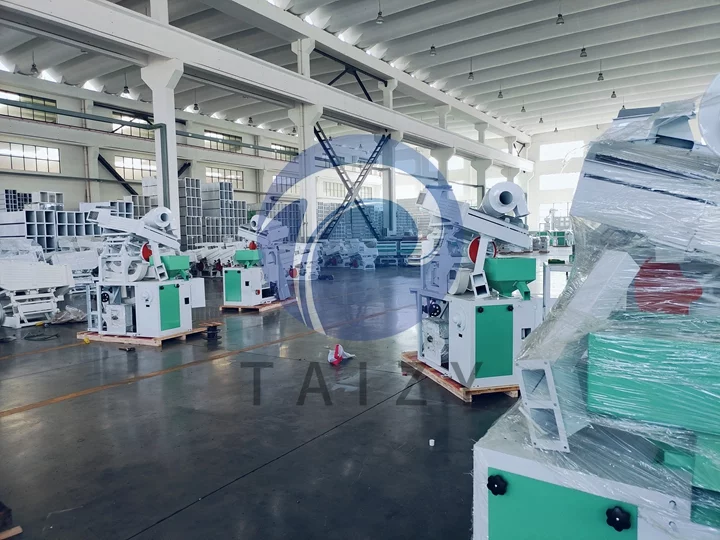
For rice producers looking to optimize their processing, we recommend our high-efficiency rice milling production lines. These machines not only improve rice yield and quality but also generate rice husks and by-products in a form that is easy to recycle and repurpose, helping you achieve both economic and environmental benefits.