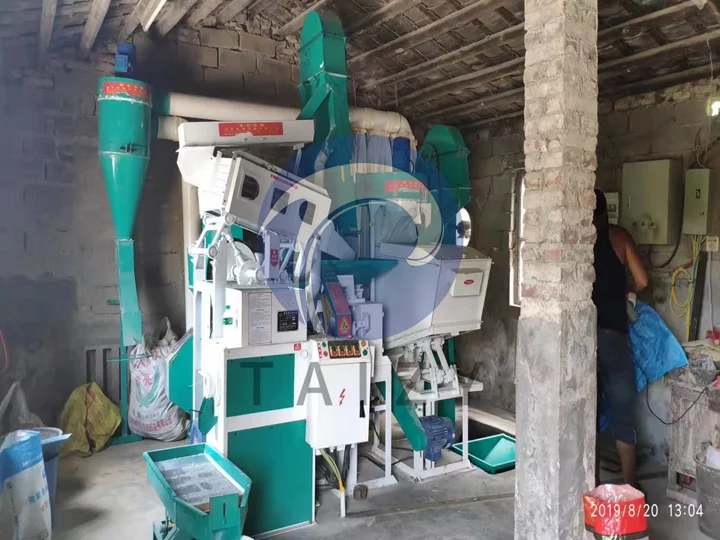
Single-Stage vs Two-Stage Rice Milling Which Is Better?
Rice milling is an important process for removing husks and bran from paddy rice to produce clean, edible white rice.
Rice milling is an important process for removing husks and bran from paddy rice to produce clean, edible white rice.
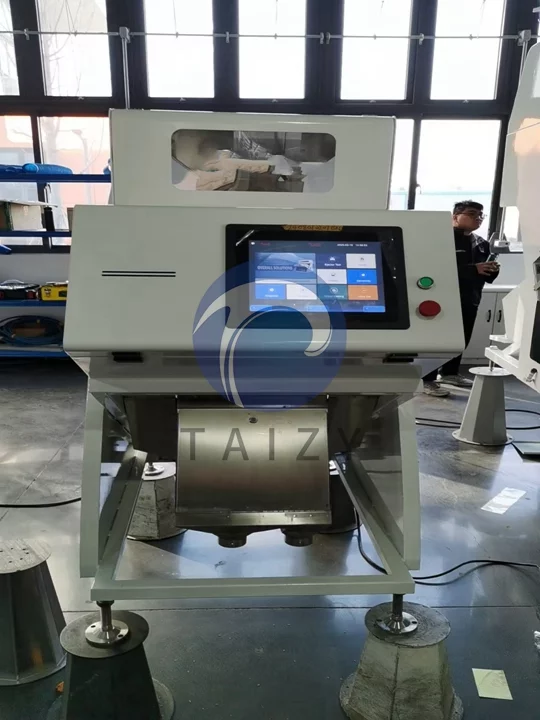
A rice color sorter is an important machine in a complete rice milling production line. It uses advanced optical technology to identify and remove discolored, damaged, immature, or foreign grains, helping rice mills improve product quality and increase market competitiveness.
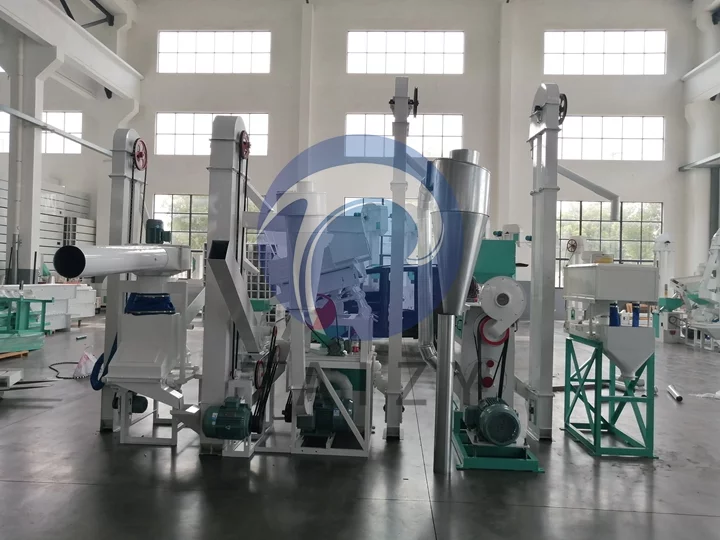
Rice milling yield and final grain quality are not determined by a single machine or setting.
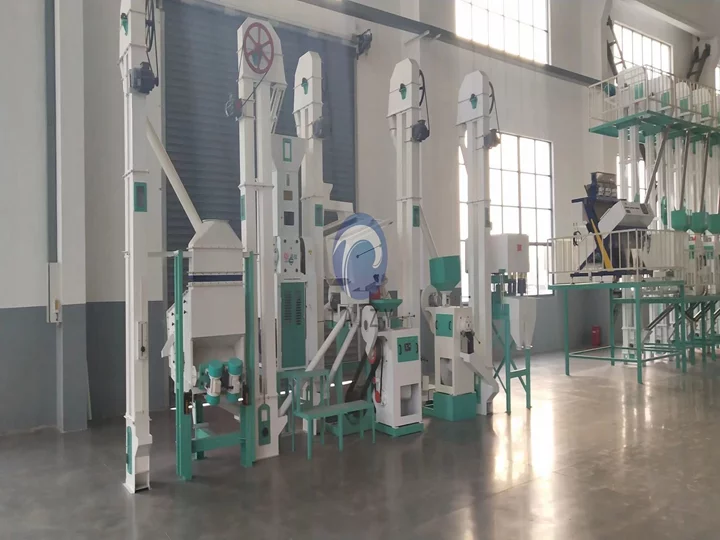
Broken rice is a common problem when using a rice milling machine. A high broken rice rate can reduce whole-rice yield, finished-rice quality, and overall profitability.
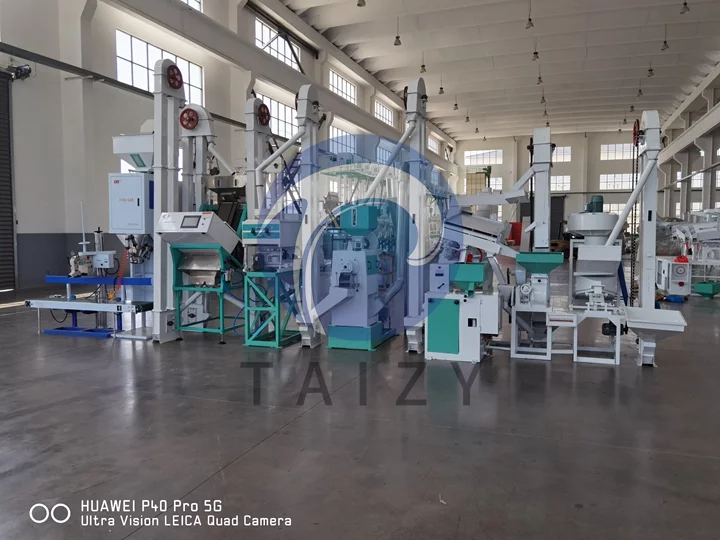
Rice processing is a profitable agricultural business in many countries because rice is a daily staple food with stable market demand.
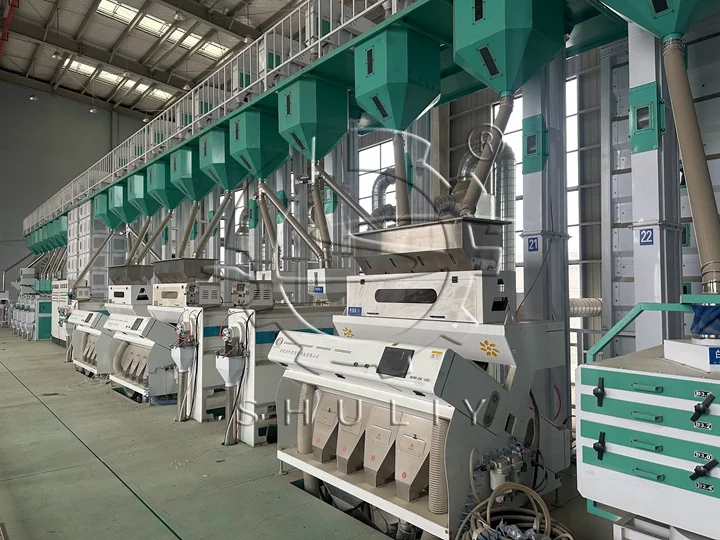
Choosing the right daily paddy processing capacity directly determines your investment cost, labor demand, profit margin and market coverage.
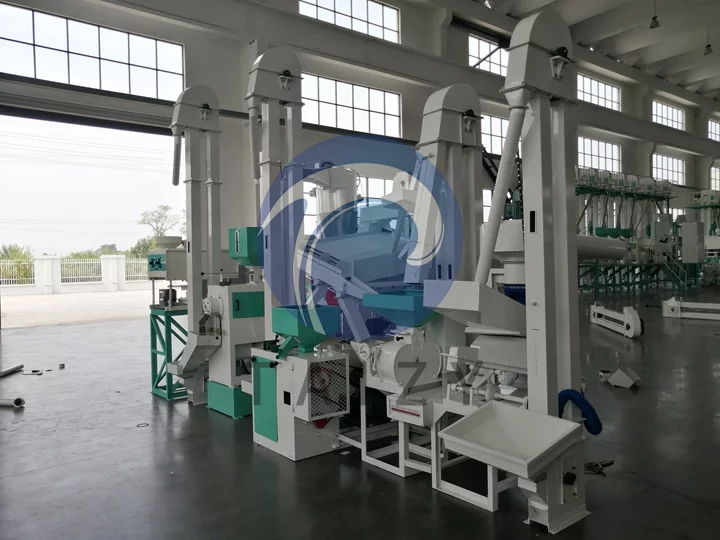
For many start-up rice mills, agricultural cooperatives, and grain processing companies, a 15TPD Rice Milling Plant offers sufficient output to meet local market demand while keeping investment costs under control.
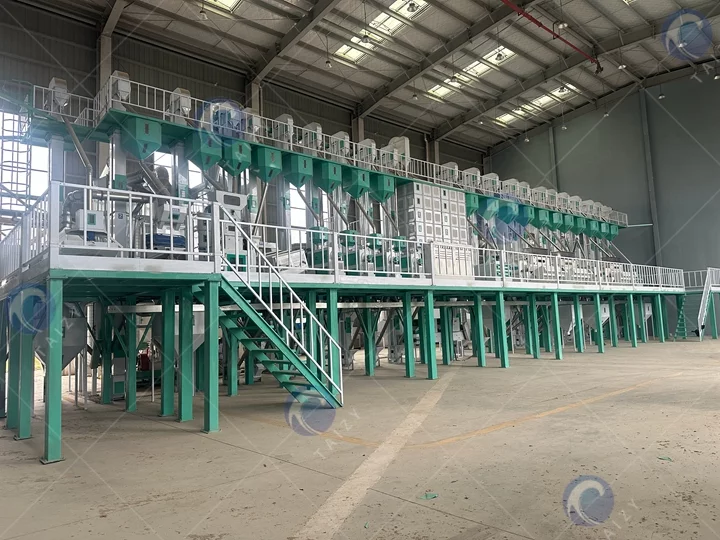
Modern large-scale rice manufacturing and grain processing operations rely heavily on reliable, high-capacity Industrial Rice Mill Machine to streamline paddy processing, boost daily output, and deliver consistent premium white rice quality.
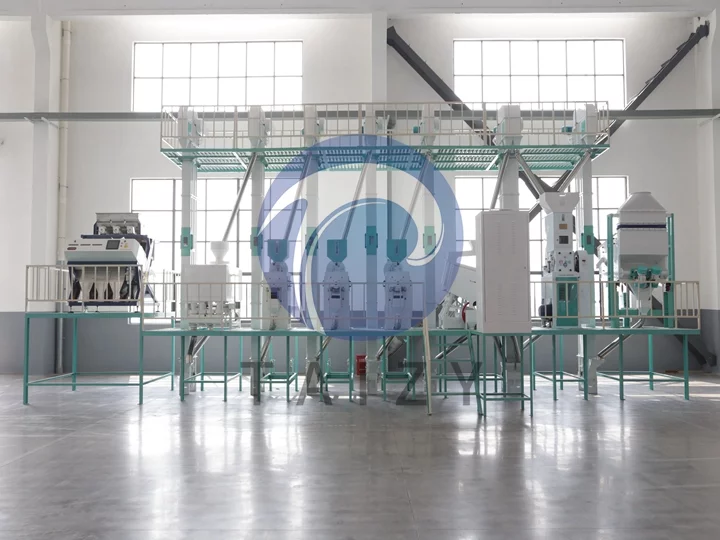
Our 20-ton Commercial Rice Mill Machine is purpose-built for commercial operations, delivering a stable daily capacity of 20 tons to meet large‑scale market demand.