چاول کی پروسیسنگ سے اہم ضمنی مصنوعات پیدا ہوتی ہیں، خاص طور پر چاول کے چھلکے اور Straw، جنہیں روایتی طور پر فضلہ سمجھا جاتا تھا۔ غلط طریقے سے تلف کرنا، جیسے جلانا یا پھینکنا، وسائل کا ضیاع کرتا ہے اور ماحول کو نقصان پہنچاتا ہے۔ آج، چاول کا فضلہ جدید اور پائیدار طریقوں سے قیمتی وسائل میں تبدیل ہو رہا ہے۔
چاول کے چھلکے کو قابل تجدید توانائی کے طور پر استعمال کرنا
چاول کے چھلکے، جو تقریباً 20% فصل شدہ چاول کا حصہ ہیں، سیلولوز اور سلکا سے بھرپور ہوتے ہیں۔ ان کا سب سے مؤثر استعمال بایوماس فیول پیلٹس یا برکیٹس بنانا ہے۔ یہ مصنوعات ایک صاف، قابل تجدید توانائی کا ذریعہ فراہم کرتی ہیں جو کوئلہ یا دیگر فوسل ایندھن کی جگہ استعمال ہو سکتی ہے۔ یہ نہ صرف توانائی کے اخراجات کو کم کرتی ہے بلکہ ہوا کی آلودگی اور کاربن کے اخراج کو بھی کم کرتی ہے۔
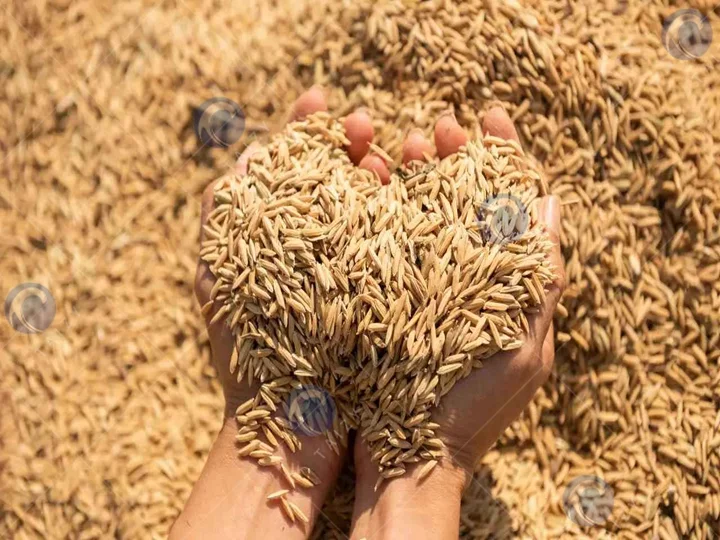
چاول کے چھلکے کا راکھ تعمیرات میں
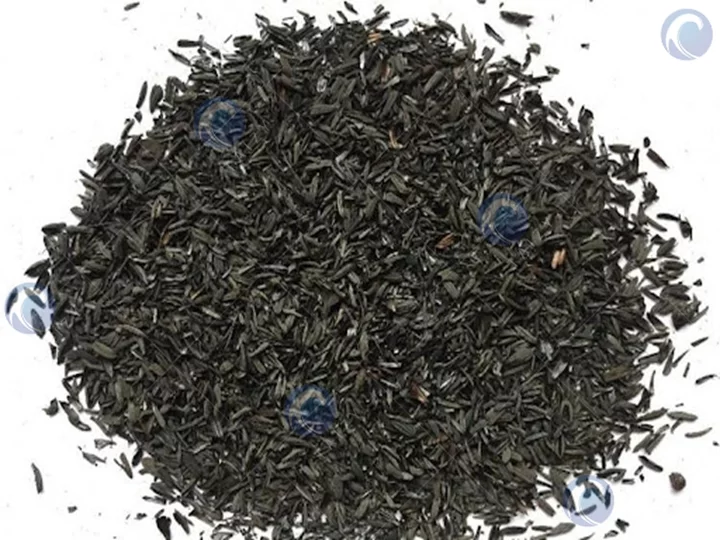
جب کنٹرول شدہ حالات میں جلایا جاتا ہے، تو چاول کے چھلکے چاول کے چھلکے کا راکھ (RHA) پیدا ہوتا ہے، جس میں سلکا کی اعلیٰ مقدار ہوتی ہے۔ RHA کو تعمیراتی صنعت میں سیمنٹ اور کنکریٹ میں اضافی کے طور پر استعمال کیا جاتا ہے۔ یہ مواد کی طاقت اور پائیداری کو بہتر بناتا ہے، اور توانائی کی زیادہ طلب والے روایتی تعمیراتی مواد کی ضرورت کو کم کرتا ہے، جس سے پائیدار تعمیراتی طریقے فروغ پاتے ہیں۔
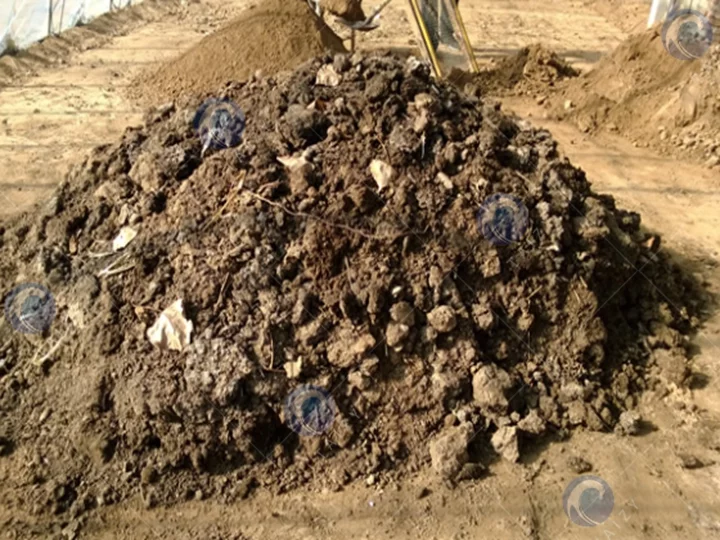
چاول کے Straw اور چھلکوں کو کمپوسٹ کرنا
چاول کے Straw اور چھلکوں کو بھی جانوروں کے گوبر کے ساتھ کمپوسٹ کیا جا سکتا ہے تاکہ غذائیت سے بھرپور نامیاتی کھاد تیار کی جا سکے۔ یہ طریقہ مٹی کی زرخیزی اور ساخت کو بہتر بناتا ہے، فضلے کے حجم کو کم کرتا ہے، اور خام زرعی باقیات سے پیدا ہونے والی ناگوار بوؤں سے بچاؤ کرتا ہے۔ یہ ماحول دوست زراعت کی بھی حمایت کرتا ہے کیونکہ یہ غذائی اجزاء کے چکر کو بند کرتا ہے۔
نتیجہ
چاول کے فضلے کو توانائی، تعمیراتی مواد، اور نامیاتی کھاد میں تبدیل کر کے، چاول پیدا کرنے والے علاقے ماحولیاتی اثرات کو کم کر سکتے ہیں اور اقتصادی مواقع پیدا کر سکتے ہیں۔ ان ضمنی مصنوعات کا صحیح استعمال ایک سرکلر معیشت کا نمونہ ہے، جو ایک بار فضلہ سمجھے جانے والے مواد کو قیمتی وسائل میں بدل دیتا ہے۔
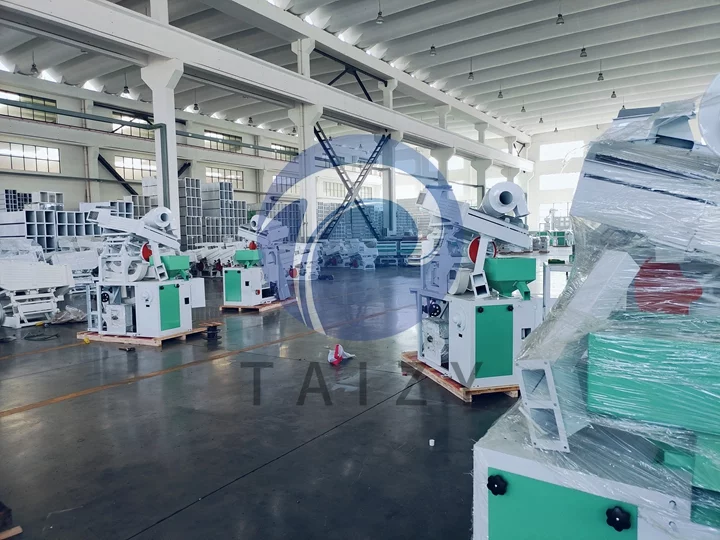
چاول کے پروڈیوسرز کے لیے جو اپنی پروسیسنگ کو بہتر بنانا چاہتے ہیں، ہم تجویز کرتے ہیں کہ ہمارے ہائی ایفیشنسی چاول ملنگ پروڈکشن لائنز استعمال کریں۔ یہ مشینیں نہ صرف چاول کی پیداوار اور معیار کو بہتر بناتی ہیں بلکہ چاول کے چھلکوں اور ضمنی مصنوعات کو آسانی سے ری سائیکل اور دوبارہ استعمال کے قابل بناتی ہیں، جس سے آپ کو اقتصادی اور ماحولیاتی فوائد حاصل ہوتے ہیں۔