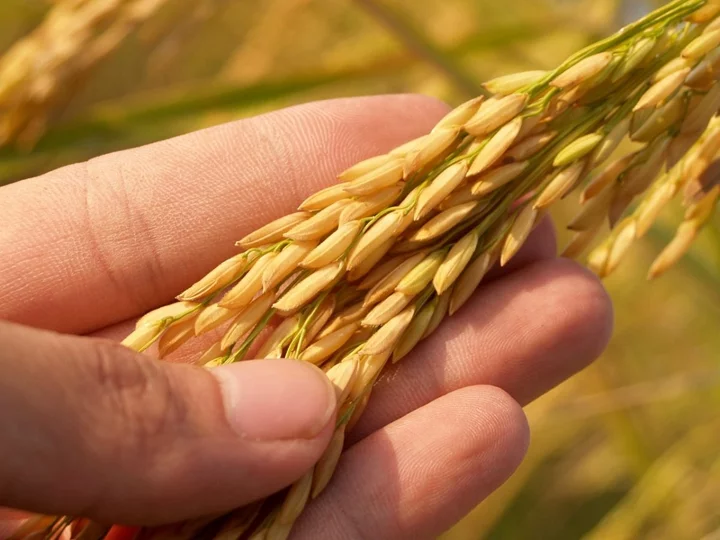
Optimizing Rice Processing: The Importance of Rice Dehusking
Rice processing is a meticulous process, and rice dehusking is a crucial step in this process.
Rice processing is a meticulous process, and rice dehusking is a crucial step in this process.
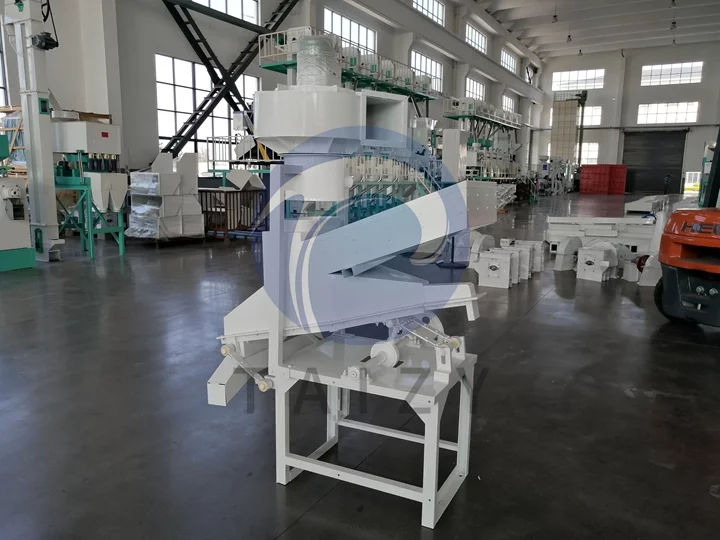
This article will explore the process of rice cleaning, its important steps, introduce the evaluation indicators of cleaning equipment effectiveness, and recommend the use of a rice destoner to optimize the cleaning process.
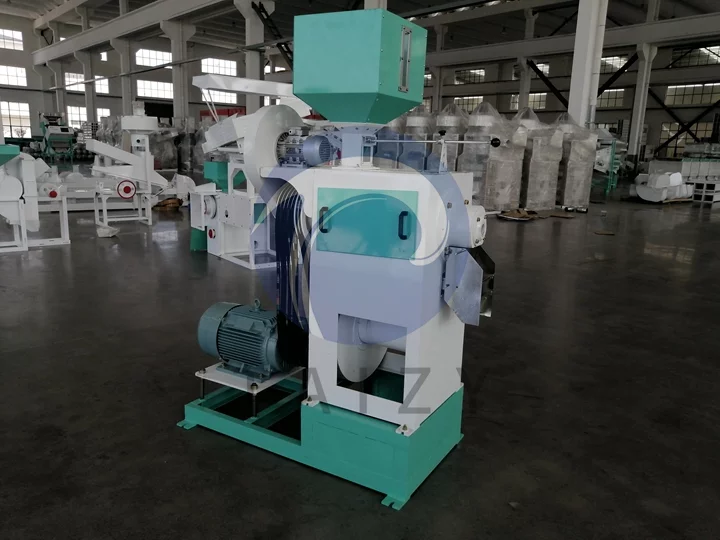
In the realm of rice processing, two essential components often draw attention: the rice mill and the water polisher.
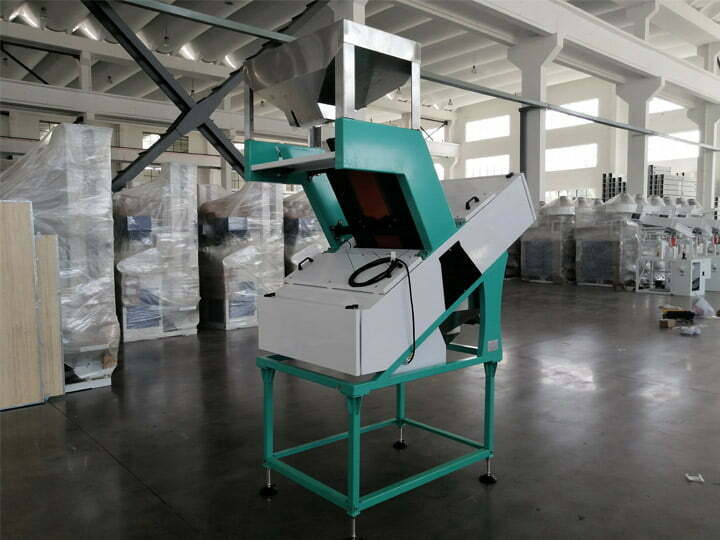
In modern rice processing, the application of color sorters plays a crucial role in enhancing product quality and ensuring compliance with market standards.
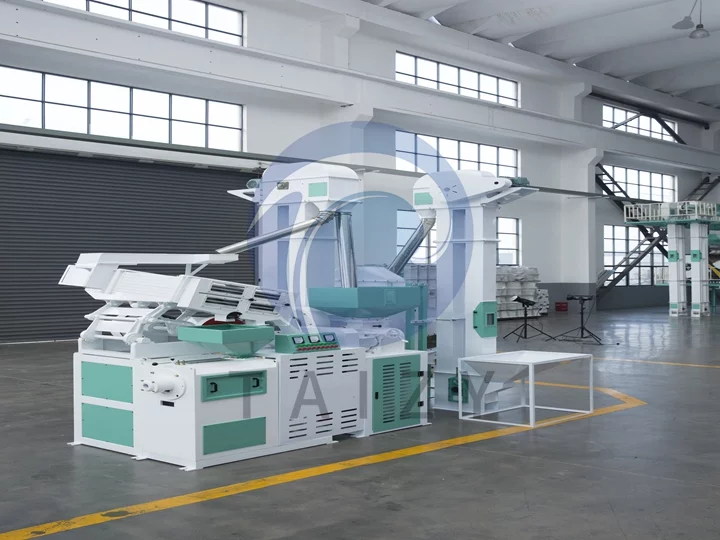
In the production and processing of paddy rice, the presence of impurities can significantly impact the quality of rice, reduce the efficiency of equipment, and even lead to equipment malfunctions.
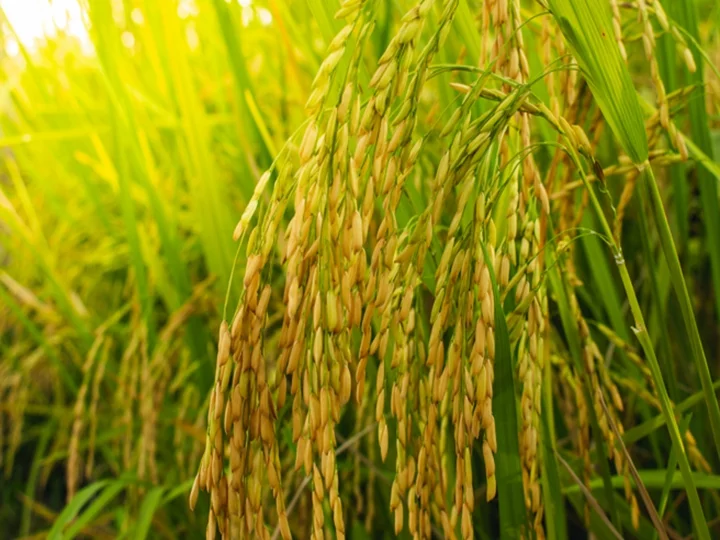
Paddy rice, from cultivation to the processing plant, encounters various impurities that, if left unaddressed, can severely impact the efficiency and quality of rice production.
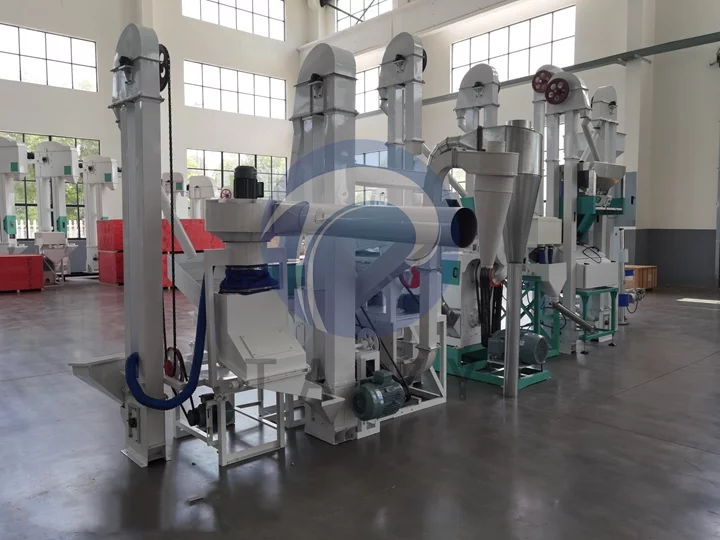
The production process of rice is a complex and efficient system, and with the modern rice milling unit, we can precisely control each step to ensure the outstanding quality of the final rice product.
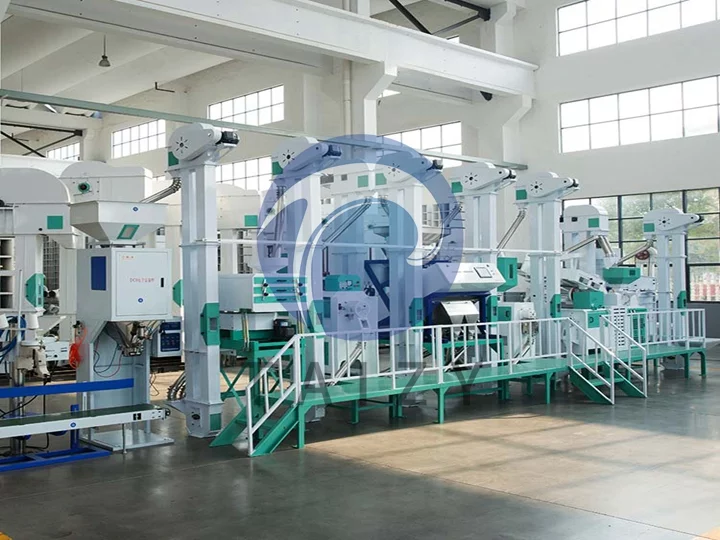
In the dynamic world of rice milling, encountering operational challenges is inevitable. This article delves into the realm of common faults that may arise in rice milling machine plants and provides effective troubleshooting methods.
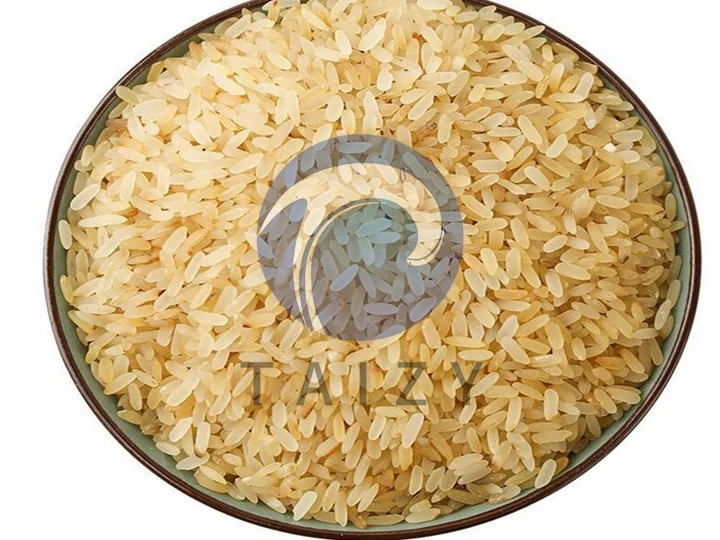
Steamed rice, also known as half-cooked rice, is a natural and nutritious variety of rice made from high-quality indica rice in China. It undergoes a series of water-thermal treatments, including cleaning, soaking, steaming, and drying, followed by conventional dehusking and milling processes.